
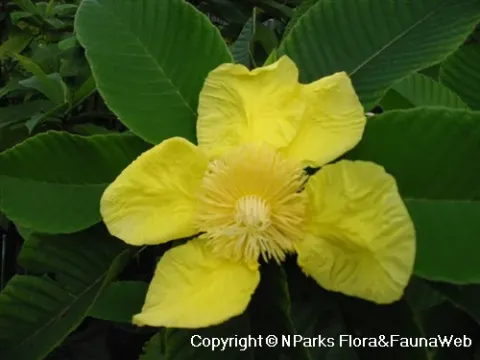
Dillenia ovata
Dillenia ovata
Dillenia ovata is a notable species within the Dilleniaceae family, known for its distinct botanical structure and tropical origin. As a perennial woody plant, it occupies a specific niche in the tropical forest ecosystem, functioning as an understory or canopy tree depending on light availability.
What the section contains
Dillenia ovata
Its natural range encompasses various regions of Southeast Asia, thriving in environments characterized by high annual precipitation. The plant is adapted to heat-intensive climates where the temperature remains consistently above 20 degrees Celsius throughout the year.
The cultivation requirements are centered around soil fertility and drainage. It requires deep, well-draining soils that are rich in organic matter. Sandy loams are preferred as they allow for adequate oxygen diffusion to the root zone, preventing physiological stress associated with waterlogging.
Agrotechnical management involves regular moisture supply, although the plant has some tolerance for short intervals of lower rainfall once established. Irrigation must be managed carefully to avoid crown dampness, which is essential for maintaining plant vigor and foliage health.
The economic value of Dillenia ovata lies in its edible fruits, which are processed into jams and local dishes, and its ornamental utility. Proper spacing and pruning are essential to maximize fruit yield and maintain the aesthetic appeal of the canopy, especially in plantation settings.
The primary threats to Dillenia ovata health include fungal pathogens that manifest as leaf spots or stem blights, especially during monsoon seasons. Maintaining adequate airflow through canopy pruning is the most effective management strategy to mitigate these fungal outbreaks.
Pest pressure is frequently observed from sap-sucking insects like mealybugs and aphids, which target younger, succulent growth. Integrated pest management, including the use of neem-based oils or soap sprays, is recommended to keep populations below economic damage thresholds.
Root system vulnerability is a significant concern in areas with heavy clay soils where drainage is suboptimal. Phytophthora and similar soil-borne pathogens can devastate plantations; therefore, site selection is critical for the long-term success of the orchard.
Invasive vines and weeds can compete with the tree for nutrients and light, necessitating regular mechanical weeding in the initial years of development. Mulching around the base can help regulate soil temperature and inhibit weed seed germination.
Monitoring for signs of nutritional deficiencies is part of the standard protective cycle. Leaves showing discoloration or chlorosis indicate the need for targeted micronutrient application to restore the plant's metabolic function and disease resistance.