
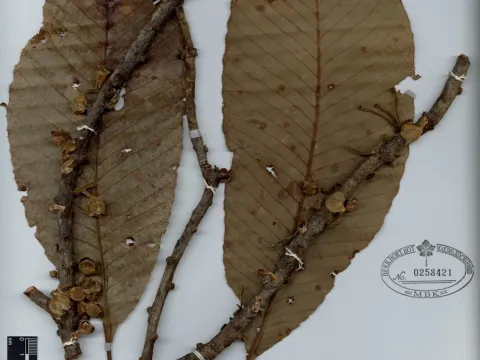
Dillenia parviflora
Dillenia parviflora
Dillenia parviflora is a tropical tree species belonging to the Dilleniaceae family, native to the dense forests of Southeast Asia. This species is well-known in its natural habitat for its structural resilience and ecological significance.
What the section contains
Dillenia parviflora
The plant thrives in regions with distinct tropical climates characterized by warm temperatures and consistent rainfall. It requires well-drained, nutrient-rich soils to reach its full development potential and canopy size.
Botanically, the tree is distinguished by its leathery, prominently veined leaves and clusters of small, fragrant flowers. Unlike other members of the genus Dillenia, the flowers of this species are smaller but emerge in greater abundance during the flowering season.
In terms of agricultural management, maintaining soil moisture levels is critical, especially during the establishment phase of the young trees. Regular thinning and pruning are necessary to ensure proper light penetration to the inner branches.
The wood of Dillenia parviflora is utilized in local construction and traditional carpentry, valued for its moderate durability. Additionally, the tree plays a vital role in local agroforestry systems, contributing to soil protection and habitat maintenance for local fauna.
The cultivation of Dillenia parviflora can be hindered by various fungal pathogens, particularly in areas with poor drainage and high humidity. These diseases typically target the root systems, leading to severe decay and tree loss.
Pests such as stem-boring insects and leaf-chewing larvae represent a significant threat to young plantation crops. Regular scouting and immediate intervention are required to prevent large-scale infestation across the groves.
Environmental stress, such as extreme drought followed by heavy flooding, can weaken the immune system of the trees, making them susceptible to secondary bacterial infections. Maintaining optimal moisture levels is the best defense against such occurrences.
Competition from invasive plant species often threatens the survival of seedlings. Integrated weed management is essential during the first years of growth to ensure the trees have adequate access to nutrients and sunlight.
Biotic stressors are managed through a combination of cultural practices and targeted biological control measures. Monitoring for signs of disease early in the growing season is a cornerstone of effective plantation management.