
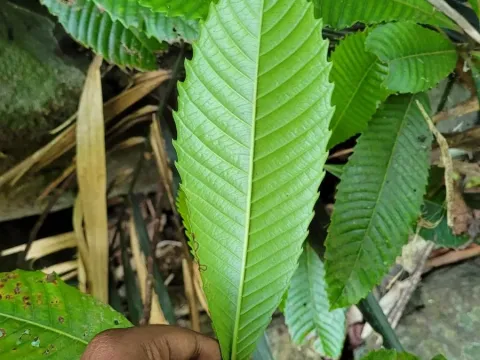
Dillenia bracteata
Dillenia bracteata
Dillenia bracteata is a member of the Dilleniaceae family. It is a robust evergreen woody plant recognized for its dense foliage and unique aesthetic properties within its natural tropical habitat.
What the section contains
Dillenia bracteata
Native to the humid forests of Southeast Asia, this species requires specific environmental conditions. It thrives in regions with consistent high temperatures and significant humidity levels throughout the year.
The crop prefers fertile, well-drained loamy soils. A slightly acidic to neutral soil pH is ideal for ensuring optimal nutrient uptake and long-term health of the root system.
Abundant sunlight is essential for the healthy growth of this species. While mature specimens are sun-tolerant, young seedlings require shaded conditions to avoid leaf scorching during peak daylight.
Consistent irrigation is vital for cultivation. As the species has evolved in tropical rainforest environments, it lacks tolerance for prolonged dry periods, making moisture management a priority.
The primary economic use of Dillenia bracteata is its wood, which is valued for its durability and structural integrity, making it suitable for furniture production and fine construction.
Pharmaceutical research focuses on the chemical compounds found within the fruit. These substances are investigated for their potential applications in medicinal treatments and dietary supplements.
While not a major commercial staple crop, the fruit is traditionally consumed in local communities, typically following specific culinary preparation to neutralize natural compounds.
In landscaping, the species serves as a high-value ornamental plant. Its large, distinct flowers and lush green foliage make it a popular choice for parks and tropical gardens.
Future agricultural potential for this species lies in sustainable forestry and specialized medicinal orchards, provided that environmental parameters are strictly maintained.
Fungal infections pose the greatest threat to Dillenia bracteata, particularly in high-humidity areas where poor air circulation within the canopy promotes pathogen spread.
Root rot is a critical condition often triggered by waterlogging. Ensuring a high-quality drainage system is the most effective agronomic prevention method for this threat.
Insect pests, specifically scale insects, represent a significant concern. These pests colonize stems and leaves, depleting the plant's resources and inhibiting its vegetative growth.
Defoliating insects can also reduce the photosynthetic capacity of the plant, which may ultimately impact the overall health and yield of the tree.
Management strategies involve regular field monitoring, maintaining plant spacing for better airflow, and the tactical use of organic or chemical pesticides as required.