
Dillenia retusa
Dillenia retusa
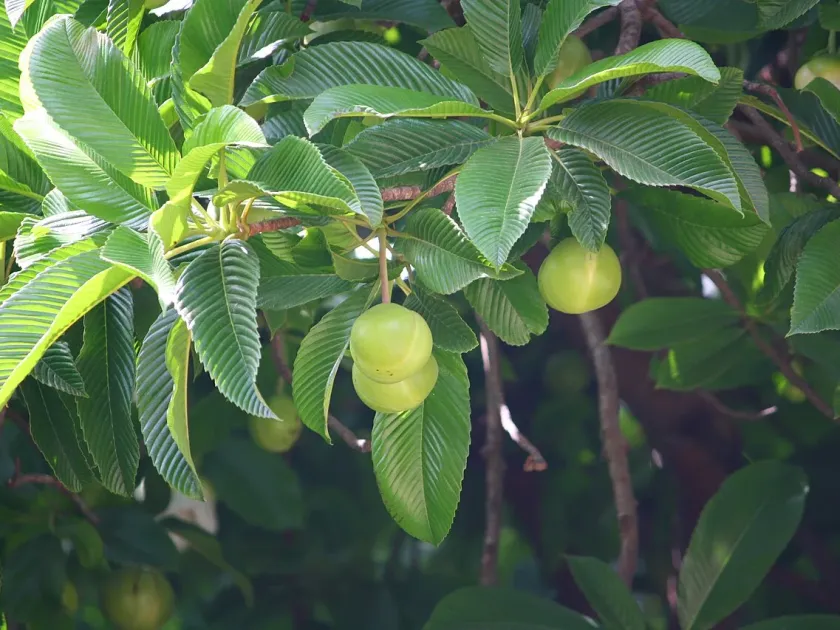
Description
Growing requirements
Dillenia retusa is a prominent species within the Dilleniaceae family, known for its robust woody structure and glossy, retuse leaves. This plant is primarily recognized for its ecological role in the tropical forests of Sri Lanka.
The plant thrives in humid tropical climates where annual rainfall is high. It is strictly sensitive to frost and requires consistently warm temperatures to maintain its metabolic processes and annual growth cycles.
Ideal cultivation sites include deep, fertile, and well-drained alluvial or loamy soils. Ensuring good soil aeration is crucial to prevent root asphyxiation, especially during periods of heavy seasonal monsoon rains.
Cultural practices involve maintaining adequate mulch around the base to retain soil moisture while providing sufficient space for the root system to expand horizontally. As a slow-growing tree, it requires long-term planning for landscape integration.
In addition to its aesthetic value, the tree provides wood that is utilized in local woodworking, while its botanical structure makes it an interesting subject for tropical forest conservation and agroforestry research.
Main diseases and pests
The species faces pressure from various wood-boring insects that can damage the trunk, compromising the structural integrity of older, mature trees.
Leaf-spot diseases caused by fungal pathogens are common in humid conditions and can lead to significant defoliation if left unmanaged.
Nutrient deficiencies, specifically nitrogen and potassium, are frequently observed in poor-quality soils, requiring supplemental fertilization for optimal development.
Encroachment by invasive climbers and creepers can smother young seedlings, preventing them from reaching the canopy level.
Standard agronomic monitoring involves systematic checking for signs of infestation and ensuring that the tree canopy receives adequate airflow to mitigate mold development.