
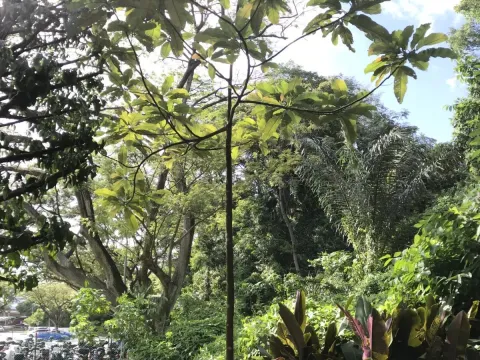
Dillenia eximia
Dillenia eximia
Dillenia eximia is a prominent tropical tree belonging to the Dilleniaceae family. Known for its robust growth and large, leathery leaves, this species is a critical component of the forest canopy in its native habitats across Southeast Asia, including parts of Malaysia and Indonesia.
What the section contains
Dillenia eximia
The climate requirements for this species are strictly tied to tropical lowland conditions. It thrives in high-humidity environments with consistent warm temperatures throughout the year. The tree requires significant rainfall to maintain its vigorous growth, making it unsuitable for drier climates.
Soil requirements involve well-draining, nutrient-rich substrates, such as alluvial soils or tropical latosols. Good drainage is essential, as the species is highly sensitive to waterlogging, which can cause root rot and significantly inhibit the development of the root system.
Agrotechnical practices focus on providing adequate space for crown expansion. As a slow-growing tree, it requires early life stage protection from intense sunlight and weed competition, which can otherwise stunt its establishment phase in plantation settings.
The primary utility of the tree lies in its timber, which is valued for its density and durability. It is historically used in construction and high-quality furniture making. The wood's natural resistance to certain types of decay makes it a sustainable choice for local woodworking industries.
Fungal pathogens represent the most significant threat to Dillenia eximia populations. In conditions of poor ventilation or excessive stagnant moisture, fungal infections target the root and lower trunk areas, potentially causing large-scale losses in nurseries.
Wood-boring insects are a frequent concern, particularly in mature stands. These pests tunnel into the trunk, compromising the structural integrity of the wood and rendering it less suitable for high-quality timber applications, thus impacting the economic yield of the forest.
Defoliating insects can cause significant damage to seedlings. In controlled environments, such as reforestation nurseries, these pests can quickly overwhelm young plants, necessitating the implementation of integrated pest management strategies to protect the foliage.
Environmental stressors, such as soil compaction or unexpected prolonged dry spells, negatively impact the tree's health. While mature trees are somewhat resilient, younger individuals require stable environmental conditions to survive the critical first few years of growth.
Regular maintenance, including canopy thinning and clearing competitive vegetation, is essential for minimizing threats. Periodic inspections of tree bark and leaves help in the early detection of disease, allowing for targeted interventions before significant damage occurs.