
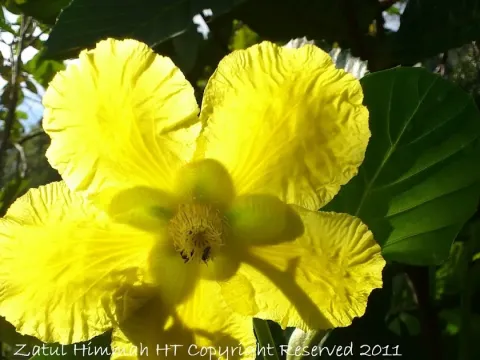
Dillenia pulchella
Dillenia pulchella
Dillenia pulchella is a robust evergreen tree that belongs to the Dilleniaceae family. It is recognized for its thick, leathery leaves and significant aesthetic value in tropical landscapes.
What the section contains
Dillenia pulchella
The plant thrives in a tropical climate, requiring consistently high temperatures and high humidity levels throughout the year for optimal growth.
It prefers deep, well-drained, fertile soils with a slightly acidic pH. Poorly drained heavy clays can severely hamper the development of the root system.
Light management is crucial, as the tree requires substantial sunlight but often benefits from light shading during the initial juvenile development phase.
Regular irrigation is essential, particularly in regions with distinct dry seasons, as the tree's surface roots need a steady supply of moisture to prevent wilting.
Dillenia pulchella is primarily valued for its durable timber, which is sought after for carpentry, furniture making, and general construction.
The fruits of the tree are edible and play a role in traditional local diets, often utilized in the preparation of specialized sauces and preserves.
The tree serves as an excellent specimen for urban forestry and large park landscaping due to its impressive canopy and showy floral displays.
Agricultural productivity of the fruit is contingent upon the presence of specific pollinators, primarily large bees and other tropical insects.
Harvesting timber requires professional forestry management practices to ensure sustainable yield and the long-term health of the plantation stands.
The primary threats to this culture are fungal root pathogens, which are often triggered by waterlogged soil conditions in humid environments.
Foliar diseases, such as powdery mildew, can occur when there is insufficient air circulation through the canopy, leading to localized moisture build-up.
Pests, particularly aphids, scales, and various beetles, are known to attack new vegetative growth, which can stunt the tree's development.
Integrated pest management strategies are recommended to mitigate the risk of infestation, utilizing both manual inspections and selective biopesticides.
Proper pruning and thinning are essential agronomic practices to maintain crown health and reduce the risk of structural failure and pest colonization.