
Eucryphia
Eucryphia Cav.
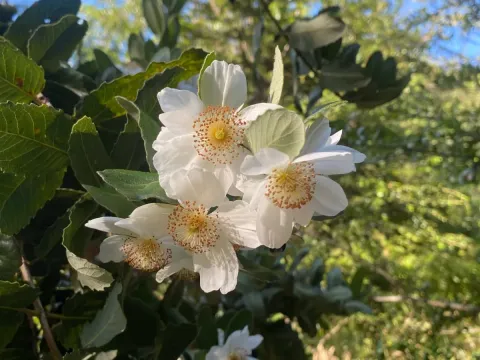
Eucryphia is a genus of flowering evergreen or deciduous trees and shrubs belonging to the family Cunoniaceae. Native to the temperate regions of the Southern Hemisphere, including Chile, Argentina, and Australia, these plants are highly valued for their ornamental beauty and nectar production.
What the section contains


Eucryphia
The culture requires a temperate maritime climate to thrive, characterized by cool, moist summers and mild winters. Extreme frost or heat waves can cause severe stress to the plants, making the selection of an appropriate planting site crucial for successful development.
Eucryphia plants demand deep, fertile, and well-drained soil with a slightly acidic to neutral pH level. They thrive best in sheltered locations that provide partial shade, as excessive direct sun can scorch the foliage and dry out the sensitive root system.
Botanically, the genus is distinguished by its leathery, glossy leaves and large, showy flowers with numerous stamens. The bloom period typically occurs during mid-to-late summer, providing a vital late-season food source for pollinators.
From an agricultural standpoint, Eucryphia is primarily utilized in apiculture for honey production. The resulting Eucryphia honey is renowned for its light color, delicate flavor, and slow crystallization, making it a high-demand product in the specialty market.
The most common threats to Eucryphia health are fungal infections associated with poor soil drainage and waterlogging. Root rot is particularly destructive and often arises when the plant is exposed to excessively wet soil conditions for prolonged periods.
Pest management is essential, with aphids and scale insects being the most frequent visitors. These pests sap the vitality of young stems and leaves, which can lead to stunted growth and reduced blooming efficiency if left unchecked.
Spider mites represent a secondary threat, particularly in greenhouses or during dry, hot spells where humidity levels are low. Maintaining adequate moisture levels around the foliage can act as a natural deterrent against these infestations.
Good cultural practices, such as proper spacing and periodic thinning of the canopy, significantly improve air circulation and reduce the risk of humidity-related pathogens. Pruning damaged or dead branches should also be conducted to maintain plant health.
With careful management of soil moisture and prompt attention to pest sightings, Eucryphia remains a resilient and long-lived species. Integrated pest management strategies are generally recommended to maintain the quality of the surrounding environment.