
Coachwood
Ceratopetalum apetalum
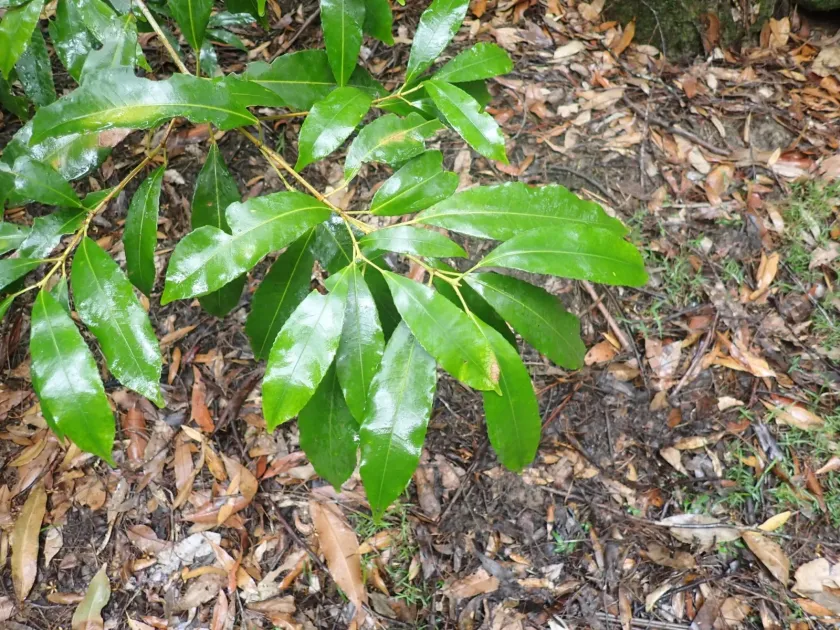
Description
Growing requirements
Coachwood (Ceratopetalum apetalum) is a prominent species of the Cunoniaceae family, native to the temperate and subtropical rainforests of eastern Australia.
The tree thrives in deep, fertile soils that retain moisture but allow for excellent drainage. Soil pH levels should ideally be slightly acidic to neutral to support healthy root nutrient uptake.
This species requires a climate with high annual rainfall and consistent humidity. It is sensitive to drought and extreme frost, necessitating a sheltered site in colder temperate zones.
Botanically, it is recognized for its unique bark, which exudes a distinct caramel-like scent. The trees feature opposite leaves and produce showy, star-shaped calyxes that turn vibrant red as they mature.
Agrotechnical success depends on protecting young trees from harsh winds and direct sunlight. Mulching around the base is recommended to maintain stable soil temperatures and moisture levels.
Yield
The primary economic output of Ceratopetalum apetalum is its high-quality timber, known internationally as Coachwood, which is highly sought after for its uniform texture.
It is extensively used in the furniture and joinery industries, prized for its ability to take a high polish and its resistance to warping after proper kiln drying.
In addition to timber, the species has been utilized in the production of specialty veneers and fine woodworking projects due to its appealing grain patterns.
The ornamental value of the tree, particularly its vibrant display of post-flowering sepals, makes it a valuable asset in urban forestry and landscape architecture.
Sustainable harvesting of this timber is vital, given the slow growth rate of the species, which mandates careful plantation management to ensure future supply.
Main diseases and pests
Root rot caused by pathogenic fungi is a significant threat, especially in waterlogged conditions where oxygen availability for the root system is limited.
Sucking insects, including scale and aphids, may infest young growth during the spring, requiring vigilant monitoring and integrated pest management strategies.
Leaf spot diseases can occur under conditions of poor air circulation, particularly in nursery environments where humidity levels are excessively high.
Climate instability, such as prolonged heatwaves, can lead to physiological stress, resulting in scorched foliage and increased susceptibility to opportunistic pests.
Implementing regular pruning and ensuring adequate spacing between individual trees are effective ways to mitigate the spread of potential pathogens.