
Eucryphia cordifolia
Eucryphia cordifolia Cav.
Description
Growing requirements
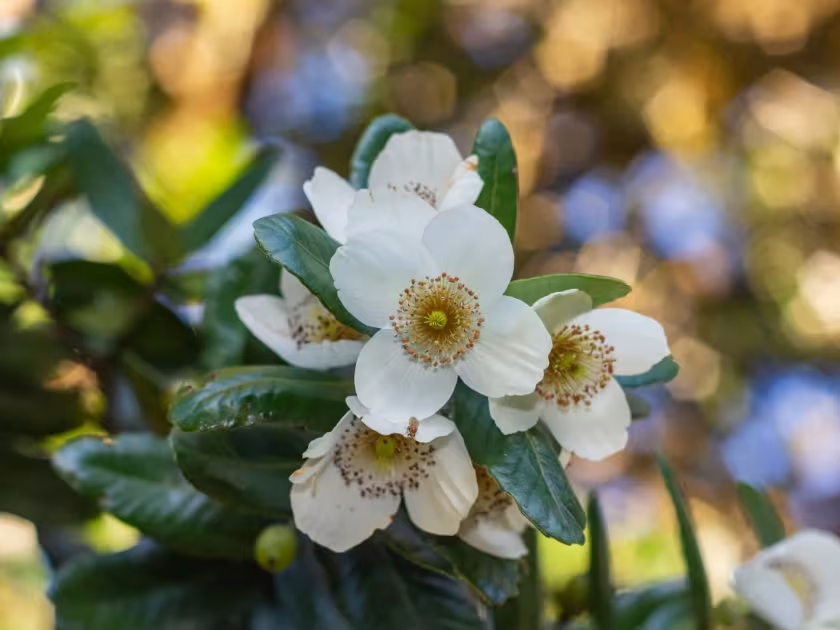
Eucryphia cordifolia, commonly known as Muermo, is a magnificent evergreen tree member of the Cunoniaceae family. Native to the temperate rainforests of Chile and Argentina, this tree is highly regarded for its dense, glossy foliage and impressive white, nectar-rich flowers that bloom in late summer.
This species thrives in a temperate maritime climate characterized by high annual rainfall and mild temperatures. It is not tolerant of extreme frost or prolonged drought, which makes site selection critical for successful plantation or garden establishment.
Cultivation requires deep, fertile, and well-drained soils that maintain a consistently moist environment. A slightly acidic to neutral pH level is ideal. Because of its native environment, the tree prefers semi-shaded areas where it is protected from scorching afternoon sun and strong, desiccating winds.
Agricultural propagation is typically achieved through semi-hardwood cuttings during late summer or by seeds sown in a controlled, humid nursery environment. Proper management of soil moisture and light intensity during the first years is essential for establishing a robust root system.
Beyond its ornamental value, Eucryphia cordifolia is a cornerstone of the honey industry in its native region. The nectar produced by its flowers creates a unique, highly sought-after monofloral honey. Its timber is also valued for its hardness, density, and fine, uniform grain structure.
Main diseases and pests
The primary threats to Eucryphia cordifolia are fungal pathogens, specifically those causing root rot, which are often exacerbated by poor soil drainage. Ensuring adequate aeration of the substrate is the best preventative measure against these soil-borne diseases.
Scale insects and aphids can sometimes infest the succulent new growth of the plant. If left untreated, these pests can cause significant leaf drop and stunt the growth of young saplings, requiring integrated pest management strategies.
Climate change poses a long-term threat to the natural range of this tree. Increased frequency of summer droughts puts physiological stress on the plants, making them more susceptible to secondary infections and opportunistic pests that thrive on weakened hosts.
While relatively hardy, the trees are susceptible to leaf spot diseases in regions with high humidity and poor ventilation. Pruning and spacing are essential to ensure that the canopy receives adequate airflow and remains dry after precipitation.
Nutrient deficiencies, particularly involving iron and magnesium, can result in leaf yellowing or chlorosis. Regular testing of the soil profile is recommended to ensure that the specific micro-nutrient requirements of this species are met throughout the growth cycle.