
Ceratopetalum succirubrum
Ceratopetalum succirubrum
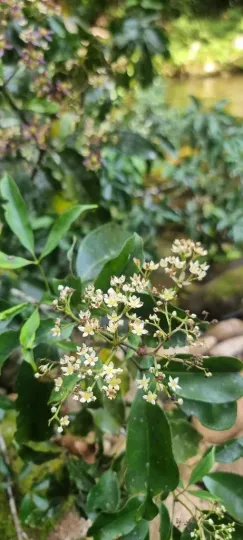
Description
Growing requirements
Ceratopetalum succirubrum is a member of the Cunoniaceae family, native to the tropical rainforests of Australia. This species is highly valued in its natural range for its robust growth and the quality of its wood, which is often utilized for high-end construction and furniture manufacturing.
The tree thrives in tropical environments characterized by high humidity and consistent temperatures. It is strictly non-hardy, meaning it requires a frost-free climate to survive, which makes its successful cultivation limited to regions with stable tropical or subtropical weather patterns throughout the year.
Soil requirements involve deep, well-draining substrates that are rich in organic matter. Water management is essential; while the plant requires consistent moisture, it is sensitive to waterlogged conditions, which can lead to root rot and other pathogenic issues affecting the vascular system of the tree.
Agrotechnical practices focus on early-stage protection and structural pruning. Maintaining a straight trunk during the first few years is vital for maximizing the future timber yield. Periodic fertilization with micronutrient-rich formulas is recommended to support the rapid development of its evergreen canopy.
The botanical profile includes distinct serrated leaves and vibrant calyces that appear post-flowering, adding biological diversity to the ecosystem where it is planted. The combination of its rapid growth rate under optimal conditions and the quality of its heartwood makes it a subject of interest for sustainable forestry.
Harvesting
The harvesting process involves selective logging once the tree reaches the appropriate diameter at breast height. The timber is processed for various industrial applications, prized for its durability and unique grain patterns that set it apart from other commercial hardwood species.