
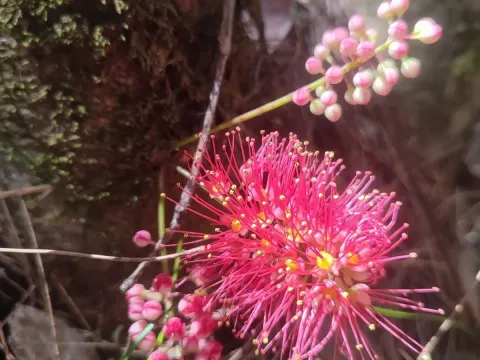
Geissois
Geissois
Propagation of Geissois species primarily involves seed sowing in controlled nursery environments. Seeds are known for their recalcitrant nature, meaning they must be planted immediately after collection to ensure high viability rates.
What the section contains

Geissois
A well-draining, organic-rich substrate is essential for germination. Seeds should be placed near the surface, as they often require exposure to ambient light to trigger the initial stages of embryonic development.
Optimal germination occurs at temperatures between 22 and 26 degrees Celsius. Maintaining high atmospheric humidity is crucial; however, the growing media must not be allowed to become waterlogged, as this leads to seed rot.
Growth is generally slow in the initial phases, requiring consistent monitoring. Once the seedlings reach a height of approximately 10 centimeters, they should be hardened off to adapt to the environmental conditions of their intended planting site.
Successful transplanting requires careful handling of the root ball to avoid shock. Ample spacing is recommended to prevent competition for light and nutrients, ensuring each individual tree has space to establish a strong root system.
Plants within the Cunoniaceae family typically thrive in humid tropical forests. They require an environment that mimics their native habitat, characterized by high humidity levels and relatively stable annual temperatures.
The ideal soil profile is deep, loamy, and slightly acidic. Good aeration is vital for root health, so sites with heavy clay or poor drainage should be avoided or extensively improved with organic amendments before planting.
Geissois species demonstrate a preference for dappled sunlight. While they can endure full sun once established, young specimens benefit greatly from partial shade to prevent leaf scorching and desiccation of the thin stems.
Regular rainfall or supplemental irrigation is necessary to maintain soil moisture levels. During the dry season, mulching around the base of the trees helps retain moisture and prevents extreme temperature fluctuations in the soil.
Nutritional requirements include a steady supply of nitrogen and trace minerals. Organic mulch or balanced, slow-release fertilizers applied during the growing season support vigorous branch development and foliage density.
Fungal pathogens remain the primary biological threat to Geissois, particularly when airflow is restricted. High-humidity conditions often encourage the development of leaf spots and root rots, which can be difficult to manage once established.
Common insect pests include scale insects and aphids, which target the soft tissue of developing leaves. Integrated pest management strategies, such as using horticultural oils or attracting natural predators, are preferred to chemical interventions.
To prevent disease spread, it is essential to maintain proper hygiene in the nursery or orchard. Regular pruning of infected or necrotic material is necessary to ensure the health of the broader canopy and prevent systemic issues.
Poor soil management can lead to physiological stress, making the trees more susceptible to secondary infestations. Ensuring proper soil aeration and avoiding high-stress environments are the best defenses against most common ailments.
Environmental stressors like prolonged waterlogging or high winds can significantly damage the structural integrity of the tree. Providing windbreaks for younger trees is a recommended practice to ensure straight, healthy growth patterns.