
Eucryphia nymansensis
Eucryphia x nymansensis J. Bausch
Description
Growing requirements
Eucryphia x nymansensis is a sophisticated hybrid belonging to the Cunoniaceae family, resulting from the cross between Eucryphia cordifolia and Eucryphia glutinosa. It is highly esteemed in arboriculture for its erect, columnar habit and spectacular display of late-season blossoms.
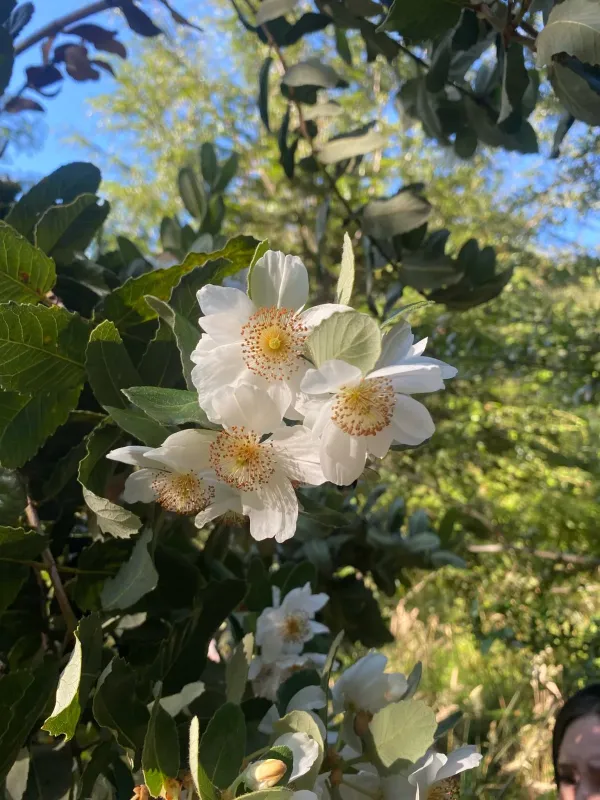
Botanically, this evergreen or semi-evergreen woody plant displays leathery, glossy foliage. Its primary appeal lies in its large, cup-shaped white flowers, which bloom profusely in late summer, showcasing prominent stamens that make the plant a magnet for pollinators during the autumn months.
Successful cultivation requires a site with shelter from harsh, drying winds. The species thrives in deep, humus-rich, well-drained soils that maintain consistent moisture levels. A pH range that is neutral to slightly acidic is ideal for optimal nutrient uptake and root health.
The plant demonstrates a preference for temperate climates with cool, moist summers. While it has moderate hardiness, in colder regions, it requires protection from severe frost, often necessitating a location against a south-facing wall or in a conservatory environment.
Maintenance is relatively low, focusing primarily on young plants. Regular application of organic mulch around the base is essential to protect the shallow root system from temperature fluctuations and to retain moisture during the growing season.
Main diseases and pests
The most significant pathological threats to this species are soil-borne pathogens such as Phytophthora, which thrive in poorly drained, waterlogged substrates. Ensuring proper drainage is the primary defense strategy.
Regarding pest pressure, scale insects and aphids are the most common adversaries, typically attacking young growth in spring. Regular monitoring and, if necessary, the application of horticultural oils provide effective control while preserving the health of the plant.