
Eucryphia glutinosa
Eucryphia glutinosa (Poepp. & Endl.) Baill.
Description
Growing requirements
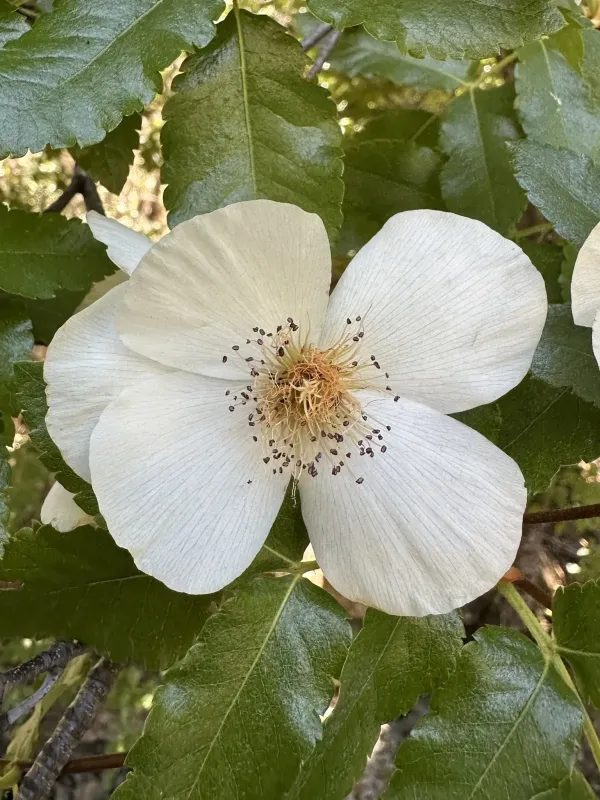
Eucryphia glutinosa is a deciduous shrub or small tree belonging to the family Cunoniaceae. Native to the temperate rainforests of Chile, it is prized in horticulture for its spectacular white, honey-scented flowers.
The plant requires deep, fertile, and well-drained soil that remains consistently moist. It performs best in soils with a slightly acidic pH, which helps maintain the vibrancy of its foliage and overall vigor.
Climatic requirements focus on a temperate, maritime environment. It dislikes extreme heat and dry air, so placing it in a sheltered spot with dappled shade is essential for healthy development.
Proper agricultural practice involves heavy mulching around the root base to keep the soil cool. As it does not tolerate deep freezing, protecting the plant during harsh winters is highly recommended.
Regarding its utility, Eucryphia glutinosa is mainly used as an ornamental specimen in landscaping. Its nectar-rich flowers make it a significant plant for apiaries, providing a vital late-summer food source for bees.
Main diseases and pests
The primary threats to this species include root rot pathogens, which thrive in waterlogged conditions. Ensuring a high-quality drainage system is the most effective preventative measure against these diseases.
Common pests include aphids and red spider mites, which tend to infest the plant during prolonged dry spells. Regular monitoring of the underside of leaves can help detect early infestations.
Environmental stress, particularly sudden exposure to hot, drying winds, can weaken the plant and lead to leaf drop. Keeping the plant properly hydrated is crucial to preventing such stress-related damage.
Fungal leaf spots can occur if the plant is grown in areas with poor airflow. Maintaining proper spacing and regular thinning of the branches helps improve air circulation within the canopy.
Chemical control should be applied judiciously, especially during flowering, to avoid harming the pollinator populations that frequent the plant.