
Caldcluvia
Caldcluvia
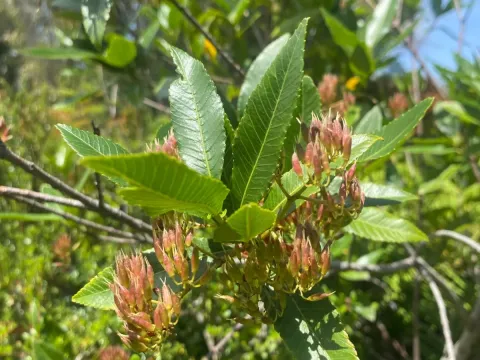
Caldcluvia is a genus of evergreen trees and shrubs belonging to the Cunoniaceae family. These plants are native to the temperate and tropical rainforests of South America and Australia, thriving in humid, oceanic-type climates.
What the section contains

Caldcluvia
The cultural requirements for Caldcluvia include deep, fertile, and well-drained soils rich in organic matter. They are known for their preference for shaded or semi-shaded environments, mimicking the understory conditions of their native forest habitats.
Botanically, these plants are characterized by opposite, often pinnate leaves and small, cluster-like inflorescences. They are highly valued for their delicate foliage structure, which makes them an attractive option for landscaping in areas with cool and humid temperate climates.
Agricultural techniques for this species emphasize consistent moisture management. It is crucial to maintain a stable water supply throughout the growing season, as these trees are intolerant to prolonged droughts, which can quickly lead to leaf scorch and growth retardation.
While primarily ornamental, Caldcluvia species are also researched for their role in forest restoration projects. Their ability to establish in humid, acidic forest soils makes them excellent candidates for enhancing biodiversity in specific regional ecosystems.
The most significant threat to Caldcluvia is root rot, which occurs in waterlogged or poorly drained soils. Ensuring that the planting site has excellent drainage is the most effective preventative measure against fungal pathogens that attack the root system.
Pest management focuses on monitoring for aphids and spider mites, which can be attracted to the tender foliage during dry spells. If infestations occur, integrated pest management practices, including the use of horticultural oils, are recommended over harsh chemicals.
Foliar fungal diseases, such as leaf spot, may arise if the plant is grown in areas with stagnant air and high humidity. Proper plant spacing and pruning to allow airflow are essential cultural practices to maintain plant health and vigor.
Frost damage can be a concern for young plants, especially those that have not yet established a strong root system. Protecting these trees during their first winters in cooler zones is a standard practice to ensure long-term survival.
Finally, avoid excessive fertilization, as Caldcluvia is sensitive to salt build-up in the soil. A light application of balanced, slow-release organic fertilizer during the early spring is usually sufficient to support their moderate growth rate.