
Ibervillea sonorae
Ibervillea sonorae
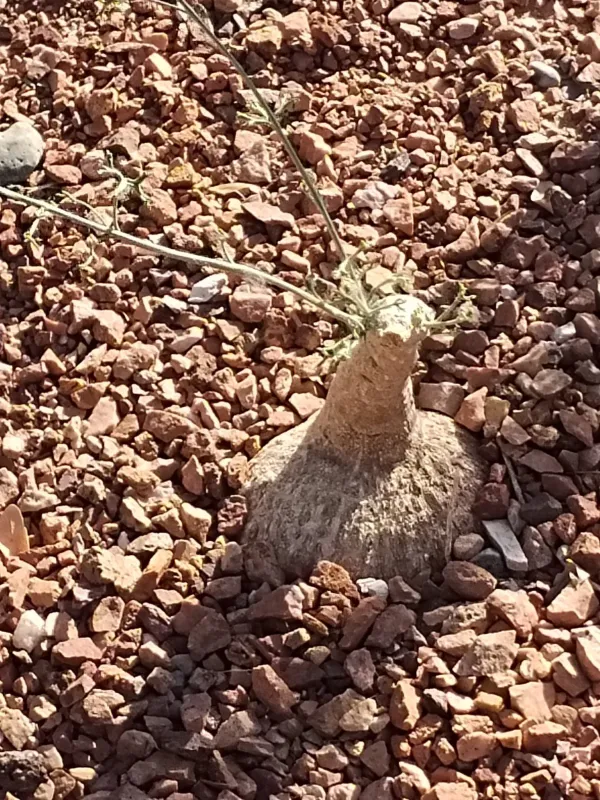
Description
Sowing dates
Sowing Ibervillea sonorae seeds is typically performed in early spring when temperatures remain consistently above 20°C. Using a well-draining, sterile substrate is essential to prevent fungal issues during the germination phase.
Seeds should be planted at a shallow depth, covered with a thin layer of sand or fine gravel. Maintaining a humid, greenhouse-like environment is critical for the initial stage of development until seedlings emerge.
Once the seedlings have produced their first true leaves, the humidity should be gradually reduced to harden off the plants. Proper ventilation is key to ensuring that the young plants develop strong and healthy stems.
Transferring the seedlings to individual pots should be done with extreme care to avoid damaging the developing caudex. A potting mix with high mineral content is recommended for the first transplanting stage.
The growth rate of Ibervillea sonorae is relatively slow, especially during the first few seasons. Patience and consistent monitoring of soil moisture levels are necessary for successful propagation from seeds.
Growing requirements
Ibervillea sonorae belongs to the Cucurbitaceae family and is native to the arid regions of Sonora, Mexico, and parts of Arizona. It is highly regarded for its large, woody, and swollen stem base known as a caudex.
This species requires high light levels to thrive and develop its characteristic form. Placing it in a sunny location is necessary to prevent etiolation, where the plant would otherwise become weak and spindly.
The growing medium must be highly porous, typically composed of coarse sand, perlite, and volcanic rock. Retaining water for too long in the soil will lead to inevitable rot, which is fatal for this species.
During the active growing season, regular but infrequent watering is required. The soil must be allowed to dry out completely between waterings to mimic the natural desert cycles of its native environment.
Winter dormancy is a critical requirement for this plant. As temperatures drop and daylight decreases, the plant will shed its leaves; watering should be stopped almost entirely until the spring growth starts.
Main diseases and pests
Root rot is the most common threat to Ibervillea sonorae, usually caused by overwatering or poorly draining soil. If the caudex becomes soft or discolored, immediate action is required to save the plant.
Spider mites are common pests that thrive in the dry conditions preferred by this plant. They can cause severe damage to the foliage, necessitating regular inspections and the use of appropriate acaricides if required.
Mealybugs can often be found hiding in the nooks and crevices of the caudex or near leaf nodes. Manual removal using cotton swabs dipped in alcohol is often effective for small infestations.
Fungal infections can occur if the plant is kept in conditions with poor airflow and high humidity. Ensuring a constant flow of fresh air around the foliage helps to prevent these health issues.
Following a strict seasonal care routine remains the best defense against pests and diseases. By respecting the natural dormant cycle, the plant remains resilient and less susceptible to environmental stresses.