
Lagenaria abyssinica
Lagenaria abyssinica
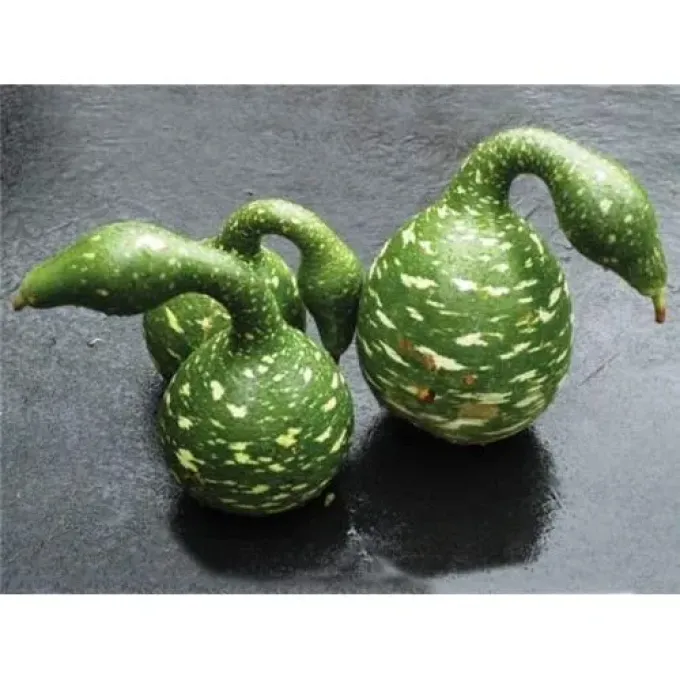
Description
Growing requirements
Lagenaria abyssinica is a climbing plant member of the Cucurbitaceae family, native to the tropical regions of Africa. It is characterized by its vigorous growth and is traditionally utilized for both its edible young fruits and its robust, woody mature shells.
The cultivation of this species requires well-drained soil rich in organic matter. A neutral to slightly acidic soil profile is ideal for ensuring optimal nutrient uptake, which facilitates the rapid development of its vine-like stems and broad foliage.
As a tropical crop, it demands consistently high temperatures for successful development. The plant is highly sensitive to frost, which makes it suitable primarily for tropical and subtropical cultivation zones unless managed within greenhouse environments.
Adequate support systems, such as trellises or sturdy vertical structures, are essential for Lagenaria abyssinica. Providing space for the vines to climb ensures proper airflow and prevents fruit decay caused by direct contact with damp soil.
Water management is crucial during the flowering and fruit-setting stages. While the plant is resilient, it requires consistent moisture to ensure high-quality fruit production, though waterlogging must be avoided to prevent root diseases.
Main diseases and pests
The most common pathological threats to Lagenaria abyssinica include fungal infections like powdery mildew, which thrives in environments with high humidity. Proper spacing between plants and the implementation of vertical training help maintain optimal air circulation.
Insect pests, such as aphids and spider mites, can severely impact the plant's vitality. Monitoring the undersides of leaves and utilizing integrated pest management practices are recommended strategies to safeguard the crop against infestation.