
Ibervillea lindheimeri
Ibervillea lindheimeri
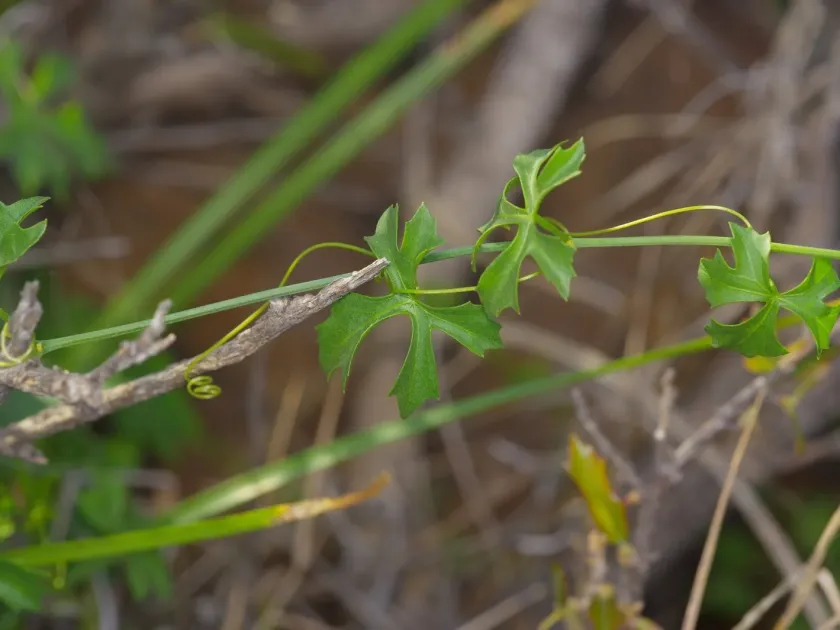
Description
Sowing dates
Sowing of Ibervillea lindheimeri seeds is best performed during the spring season when soil temperatures remain consistently warm, promoting uniform germination.
Optimal germination occurs when soil temperatures are maintained between 20°C and 25°C, ensuring that the seeds do not enter dormancy due to thermal shock.
Seeds should be planted in a well-draining substrate at a shallow depth of 1–2 centimeters, which prevents the seeds from rotting before the sprout reaches the surface.
Providing adequate spacing is essential during sowing because the plant develops a significant underground caudex as it matures, requiring sufficient root volume.
Controlled irrigation during the germination phase is critical, ensuring the soil remains moist but never waterlogged to avoid fungal pathogen outbreaks.
Growing requirements
Ibervillea lindheimeri is a perennial plant belonging to the Cucurbitaceae family, characterized by its specialized succulent stem or caudex used for water storage.
Originating from arid regions, this crop is perfectly adapted to high heat and intense sunlight, making it suitable for environments where other crops fail.
The ideal soil profile for this species includes sandy or rocky substrates with excellent aeration, preventing any potential root system hypoxia.
Climatic requirements demand long, hot growing seasons; the plant enters a period of dormancy when daylight hours decrease or temperatures drop significantly.
Agricultural management must prioritize drought mimicry, allowing the soil to dry completely between waterings to maintain the health of the caudex tissue.
Main diseases and pests
Fungal rots, caused by overwatering or poor drainage, represent the most severe threat to the structural integrity of the plant's succulent caudex.
Spider mites are common pests in greenhouse or arid outdoor environments, particularly affecting the foliage during hot, stagnant weather conditions.
Powdery mildew may occur if air circulation is insufficient, leading to a decline in photosynthetic efficiency and reduced vigor of the vines.
Aphid infestations can impact the young, tender growth, requiring prompt intervention with appropriate insecticides to prevent systemic plant weakening.
Integrated pest management strategies focusing on ventilation and correct soil moisture are the most effective ways to mitigate these biological risks.