
Herpetospermum pedunculosum
Herpetospermum pedunculosum
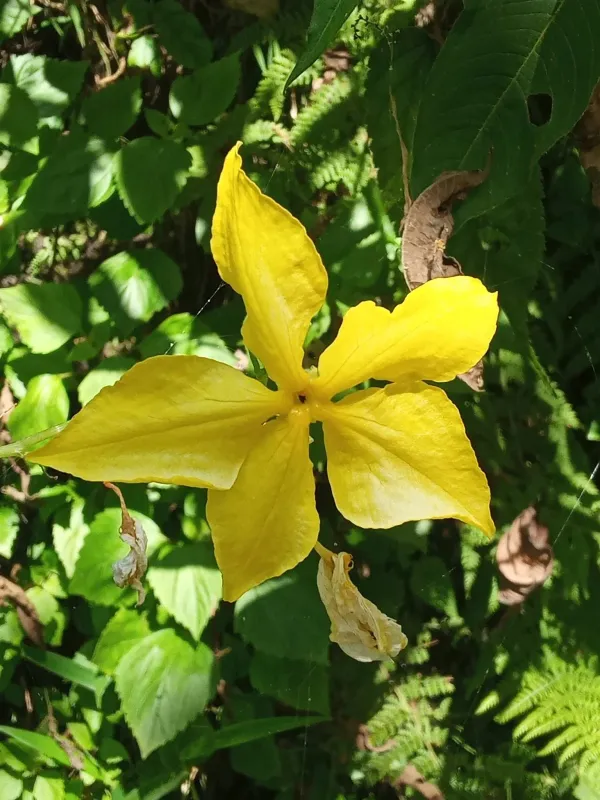
Description
Sowing dates
The planting of Herpetospermum pedunculosum seeds is typically carried out in early spring once the danger of frost has passed and soil temperatures have reached a stable level.
Proper seed preparation, including light scarification if necessary, significantly improves germination rates in field conditions.
Seeds should be sown at a depth of 2–3 cm in well-prepared, loose soil to allow for optimal shoot emergence and root development.
In regions with shorter growing seasons, starting seeds in controlled environments or nurseries is a common practice to ensure a robust plant structure.
Spacing between plants must be carefully managed to prevent overcrowding, as the vines require adequate airflow and light penetration for healthy growth.
Growing requirements
As a member of the Cucurbitaceae family, Herpetospermum pedunculosum thrives in sunny locations with well-drained, nutrient-rich, and fertile soil.
The plant requires consistent moisture, especially during the flowering and fruit-setting stages, but is highly sensitive to waterlogged conditions.
An ideal climate for this crop includes temperate conditions with moderate rainfall and enough warmth to support aggressive vine expansion.
The soil should ideally maintain a neutral pH level, as extremes in acidity or alkalinity can limit the plant's ability to absorb essential soil nutrients.
- Use sturdy trellises for vertical growth.
- Ensure regular weeding to reduce competition for nutrients.
- Provide wind protection in open fields.
Main diseases and pests
Powdery mildew is a common concern for this crop, particularly in high-humidity environments where foliage density hinders effective air circulation.
Root rot pathogens can cause significant damage if the soil lacks proper drainage or if irrigation schedules are not strictly monitored.
Pests such as aphids and spider mites frequently target the succulent leaves and stems, requiring integrated pest management strategies.
Cultural practices like crop rotation are essential to minimize the buildup of soil-borne pathogens and maintain long-term site fertility.
Early detection and the removal of affected plant parts are vital to controlling the spread of disease within a plantation.
Harvesting
Harvesting usually occurs when the fruits have reached biological maturity, often signaled by a change in color and a hardened outer rind.
The process is mostly manual, ensuring that the fruits are harvested carefully without damaging the delicate vine structures during the collection phase.
Post-harvest, fruits should be processed immediately by removing the seeds and drying them in shaded, ventilated areas to prevent moisture-related rot.
Proper storage of the harvested seeds in moisture-proof containers is crucial to maintaining their viability and the integrity of active compounds.
Yield consistency depends heavily on weather conditions during the maturation phase and the timely harvest before the first autumn frosts arrive.