
Herpetospermum darjeelingense
Herpetospermum darjeelingense
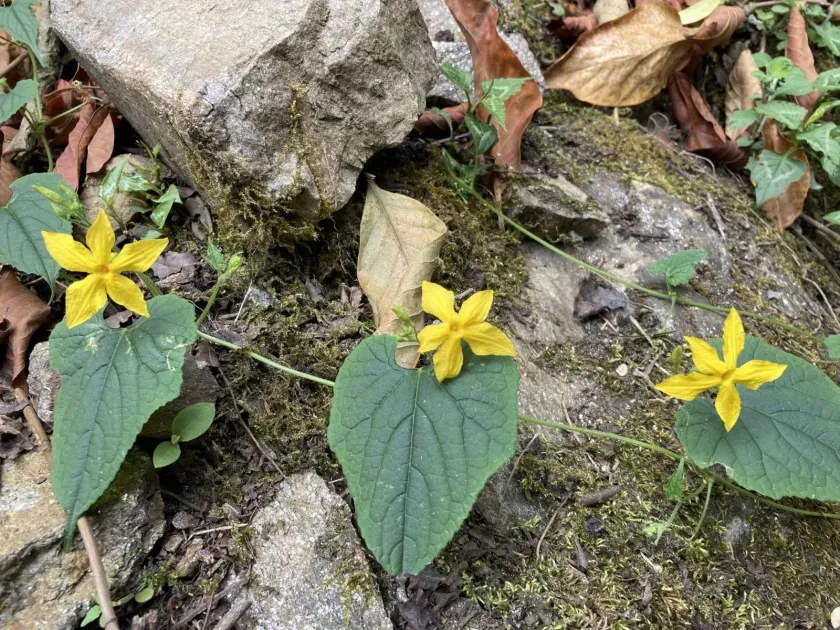
Description
Sowing dates
Herpetospermum darjeelingense is an annual herbaceous climbing vine belonging to the Cucurbitaceae family. In its natural habitat, seeds typically germinate in spring when soil temperatures reach 15-18 degrees Celsius.
For cultivation purposes, seeds should be sown in seedling trays four to six weeks before the last expected spring frost. The optimal planting depth is between 2 to 3 centimeters in a nutrient-rich substrate.
Transplanting seedlings into open ground should occur in late May or early June. As the plant is highly sensitive to cold, it is critical to ensure that all risks of freezing temperatures have passed before moving it outdoors.
When sowing seeds directly into the field, a density of no more than two plants per square meter is recommended to allow for healthy vine expansion. Seedlings usually emerge within 14 to 20 days under proper soil moisture conditions.
Pre-soaking seeds in warm water or growth stimulants for 24 hours prior to sowing can significantly improve germination rates and contribute to faster initial growth of the plant.
Growing requirements
This crop thrives in well-drained, fertile loamy soils with a neutral pH level. Integrating organic fertilizers into the soil profile is essential for supporting the vigorous vegetative growth of the vine.
The plant is light-loving and requires significant sun exposure, although some protection from intense afternoon sun may be beneficial in extremely hot climates. Its Himalayan origin makes it adaptable to various temperature fluctuations.
Consistent and balanced irrigation is vital, as the root system is sensitive to waterlogging. Excessively damp soil can quickly lead to root rot, so ensuring effective drainage in the cultivation area is mandatory.
The use of vertical trellises or supports is necessary to allow the plant's tendrils to attach and climb. Vertical growth improves air circulation and light penetration, which are critical for the health of the foliage.
An ambient temperature range of 20 to 28 degrees Celsius is ideal for blooming and fruit formation. Maintaining stable conditions helps ensure a high-quality yield of the plant's bioactive compounds.
Main diseases and pests
Powdery mildew is a common threat in humid environments or when plants are spaced too closely. Monitoring for a white, dusty fungal layer on the leaves allows for timely application of organic fungicides.
Spider mites can become a significant problem during hot, dry spells, especially in greenhouse conditions. Regular monitoring and misting of the foliage can help keep mite populations under control.
Aphids may target tender young shoots and leaves. For medicinal crops, it is recommended to use gentle control measures such as neem oil or insecticidal soaps that do not leave harmful residues on the harvest.
Root rot caused by poor soil drainage remains a major risk. If the leaves begin to yellow unexpectedly, it is essential to check the moisture levels at the roots and adjust the irrigation schedule accordingly.
Viral infections, transmitted by sap-sucking insects, are difficult to treat. Removing and destroying affected plants is the standard procedure to prevent the spread of the virus to healthy vines nearby.
Harvesting
Harvesting fruits is conducted during the technical maturity phase once they reach their characteristic size. If harvesting for seeds, one must wait until the fruit is fully ripe to ensure seed viability.
Post-harvest, the plant material should be dried in a well-ventilated, shaded area. Temperatures exceeding 40 degrees Celsius should be avoided to prevent the degradation of heat-sensitive compounds.
Seeds are extracted from the fruit pulp, cleaned, and dried thoroughly before storage. Proper drying is essential to prevent mold growth and to extend the shelf life of the harvested seed crop.
For commercial cultivation, manual harvesting is often preferred for precision, ensuring only mature and undamaged fruits are gathered. This reduces the risk of spoilage during the storage and transport process.
Final processing includes grading the product by size and ensuring it is packed in moisture-resistant containers. This preserves the plant's medicinal qualities for its intended use in herbal applications.