
Vilmorin's Hazel
Corylus vilmorinii
Vilmorin's Hazel (Corylus vilmorinii) is a distinct species within the Betulaceae family, native to the mountain forests of China. As an ornamental and nut-producing shrub, it thrives in environments that mimic its natural mountainous habitat, favoring temperate zones with moderate humidity levels throughout the year.
What the section contains
Vilmorin's Hazel
Successful cultivation requires soil that is well-drained, fertile, and slightly acidic to neutral. Proper soil aeration is vital for the health of its root system, as the species is sensitive to waterlogged conditions, which can lead to root rot and diminished vigor in young plants.
Regarding climate, the plant prefers locations that offer protection from intense, direct midday sun and cold, drying winds. While it is reasonably hardy, providing a layer of organic mulch around the base helps stabilize soil temperature and moisture levels, which is crucial during the plant's establishment phase.
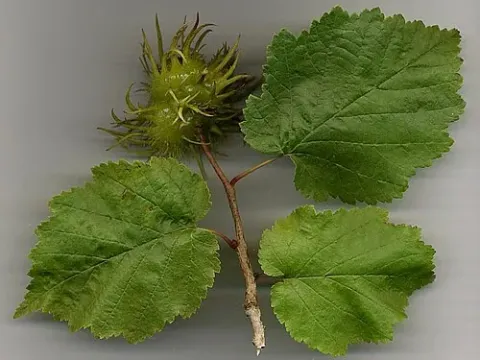
Botanically, Corylus vilmorinii is characterized by its elegant foliage and distinct fruit clusters. The leaves are typically ovate with fine serrations, and the nuts are protected by a husk, exhibiting specific genetic traits that differentiate them from the common hazelnut (Corylus avellana) varieties.
From an agricultural standpoint, this species is increasingly valued for its landscape potential and its role in biodiversity. Its ability to grow in varied terrain makes it a useful candidate for reforestation or ecological gardening projects, provided that site-specific environmental conditions are met.
The primary health concerns for Vilmorin's Hazel include fungal pathogens like powdery mildew, which can become prevalent in areas with high humidity and stagnant air. Maintaining proper spacing and regular pruning are effective preventative measures to promote airflow and light penetration throughout the foliage.
Pests such as the hazelnut weevil represent a significant challenge for fruit production, as larvae tunnel into the developing nuts. Integrated Pest Management (IPM) strategies, including the use of pheromone traps and targeted organic treatments, are recommended to maintain healthy tree yields throughout the growing season.