
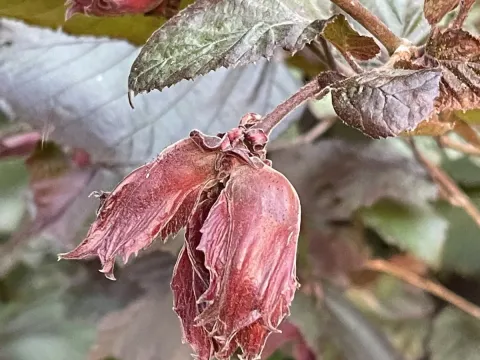
Giant filbert
Corylus maxima
Planting the giant filbert, scientifically known as Corylus maxima, is best performed during the autumn dormant period. October is considered the ideal time, as it allows the root system to settle into the soil and establish stability before the onset of winter frosts.
What the section contains
Giant filbert
In regions with harsh winters, early spring planting is recommended, specifically before the start of active sap flow. Successful spring planting depends on timing, as waiting too long can result in poor survival rates due to rising temperatures and moisture loss.
To ensure consistent quality, it is essential to use nursery-grown stock propagated vegetatively. These plants retain the specific traits of the parent variety and typically reach the fruit-bearing stage faster than those grown from seeds.
Spacing requirements vary depending on the vigor of the cultivar and soil fertility. Growers generally maintain a distance of 4 to 6 meters between trees to provide enough space for root development and crown expansion, which is vital for long-term health.
Proper pit preparation involves incorporating organic matter such as compost or well-rotted manure to improve soil structure. It is crucial to set the root collar at the soil surface level to encourage the development of strong, healthy secondary shoots.
Giant filbert, a member of the Betulaceae family, demands full sun exposure to achieve optimal growth. The plant is inherently photophilic; shading results in reduced flowering, lower nut quality, and significantly diminished yields.
The crop thrives in fertile, well-drained loamy soils with a neutral or slightly acidic pH. Waterlogged areas with high groundwater levels must be avoided, as stagnant water is a primary cause of root rot in filbert orchards.
Adequate soil moisture is a key factor in productivity. During extended dry spells, supplemental irrigation is necessary, especially during the nut-filling stage and the period of floral bud initiation, to ensure high nut density.
While the tree displays good cold tolerance, young plants need extra protection during their first few seasons. Mature specimens are generally hardy but should be monitored for winter damage in extreme climatic conditions.
Routine orchard management includes mulching around the root zone to retain moisture and suppress weeds. Furthermore, balanced mineral fertilization—incorporating nitrogen, phosphorus, and potassium—is essential to support the tree’s nutritional needs.
Initial harvests can be expected 3 to 4 years after planting, although true commercial-scale production typically begins between years 7 and 10. During this period, the crown reaches its full productive capacity.
Average yield per mature tree ranges from 5 to 10 kilograms per season. Productivity is heavily influenced by the chosen variety, local climate, and the effectiveness of the pollination strategy within the orchard.
Because the giant filbert is a cross-pollinated species, planting a mix of varieties with overlapping flowering times is necessary for success. This interplanting approach significantly increases the fruit set compared to orchards with limited genetic diversity.
Steady yields are best maintained through regular pruning and nutrient management. By thinning out crowded branches, the tree receives better light, which prevents the inner canopy from becoming barren and unproductive.
Rejuvenation pruning is necessary as trees age to ensure continuous production. By removing old, woody branches, growers stimulate the growth of fresh, productive wood, extending the productive life of the tree for decades.
The filbert weevil is one of the most destructive pests for this crop. Its larvae tunnel directly into the developing nut kernel, rendering it unusable. Insecticide treatments during the adult beetle emergence window are the standard method of control.
The bud mite is another serious concern, causing infected buds to swell and fail to open. Managing this pest requires the timely removal and destruction of infested twigs to limit the spread within the orchard.
Powdery mildew, characterized by a white fungal coating on leaves, is the most common disease. This is effectively managed through the use of sulfur-based fungicides and ensuring good air circulation within the tree canopy.
Bacterial blight can also cause significant damage to young shoots and branches. Strict sanitation practices, such as disinfecting pruning tools and immediately removing diseased wood, are critical for preventing outbreaks.
Integrated pest management (IPM) is highly recommended. This holistic approach combines cultural practices, such as cleaning up fallen debris, with chemical interventions only when necessary to protect the overall ecosystem of the plantation.
Harvest time is identified by the husk (involucre) changing color from green to yellow or brown. Once the nuts begin to release naturally from the branches, they have reached full maturity and are ready for collection.
Manual or mechanical harvesting methods should be performed promptly to prevent the nuts from staying on the ground, where moisture and soil contact can lead to fungal growth and quality degradation.
Post-harvest, nuts must be husked and dried in a well-ventilated area away from direct sunlight. Achieving a moisture content of 7 to 9 percent is essential to ensure long-term stability and prevent molding during storage.
Storage should be conducted in cool, dry, and rodent-proof facilities. Proper conditions allow filberts to retain their flavor profile and nutritional density for over a year, making them an excellent commodity for the market.
Giant filberts are highly valued for their nutritional content, particularly their healthy fats and protein. They remain a staple ingredient in the global confectionery industry and are widely consumed as a healthy snack.