
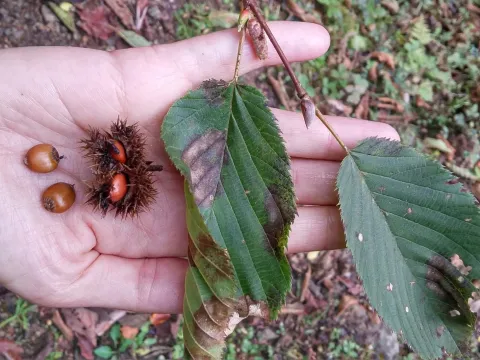
Himalayan hazel
Corylus ferox
The propagation of Corylus ferox is primarily performed through seeds, which require a strict period of stratification to break dormancy. A cold treatment lasting approximately three to four months is essential to ensure successful and uniform germination in the spring.
What the section contains
Himalayan hazel
Sowing in open ground is recommended during the autumn months, allowing the seeds to undergo natural winter stratification in the soil. Alternatively, seeds stratified under controlled refrigeration can be sown in early spring as soon as the soil becomes workable.
Vegetative propagation via layering or grafting is utilized to maintain the specific traits of high-quality mother plants. This method requires careful maintenance of soil moisture and high humidity around the rooting zone to ensure a healthy root system development.
Young seedlings are sensitive to environmental stress and require protection from direct sunlight and drying winds during their first growing season. Consistent irrigation is necessary to prevent the tender root systems from failing in warmer weather.
Adhering to proper spacing is critical for the long-term health of the Himalayan hazel, as the plant develops a wide, spreading crown. A minimum distance of 5 meters between trees is advised to provide adequate airflow and light penetration for each specimen.
The Himalayan hazel is a member of the Betulaceae family, native to the high-altitude regions of the Himalayas and parts of East Asia. This provenance dictates its preference for cool, humid climates and protection from extreme heat fluctuations.
Ideal soil for cultivation should be fertile, loose, and possess excellent drainage characteristics. The species is highly intolerant of waterlogged soils, which can quickly lead to root rot and other phytopathological issues that hinder growth.
While the tree can tolerate partial shade, optimal yields and vigorous growth are best achieved in locations that offer dappled sunlight. Full exposure to intense midday sun in hot regions can stress the foliage and negatively impact the tree's health.
The cultivation site should be sheltered from strong, desiccating winds that could damage leaves and branch structures. Providing a windbreak or choosing a naturally sheltered location in the garden landscape is a standard practice for successful development.
Routine care involves applying organic fertilizers and ensuring consistent moisture levels throughout the growing season. A healthy tree with a strong root system is significantly more resilient to occasional environmental stress and minor pest pressure.
The yield of Corylus ferox is characterized by the presence of nuts encased in a distinctive, bristly, and spiny husk. This biological feature provides natural protection against many animals but requires careful handling during the harvest process.
Bearing fruit typically begins between the fifth and seventh year after planting, with commercial productivity peaking when the trees are fully mature. Nuts reach maturity towards the end of summer or early autumn, depending on the local climate and elevation.
Ensuring cross-pollination is essential for high productivity, as this species benefits significantly from having multiple genetically distinct specimens in the vicinity. Insect pollinators play a vital role in transferring pollen and maximizing fruit set.
Harvesting is labor-intensive due to the spiny nature of the husks, making the use of heavy-duty protective gloves necessary. Careful harvesting practices help to maintain the integrity of the nut shell, which is important for quality control.
Post-harvest processing involves drying the nuts in a well-ventilated, shaded area to reduce moisture content. Proper drying is a crucial step that prevents mold development and ensures the long-term storage viability of the nuts.
Fungal infections, such as powdery mildew, represent a major threat, particularly in dense stands with poor ventilation. Regular pruning is the most effective preventative measure, as it opens the crown and allows for better air circulation throughout the tree.
Pests such as the hazelnut weevil can cause significant damage to developing nuts, necessitating active monitoring during the growing season. Early detection of larval infestations allows for more effective control and reduces total crop losses.
Leaf-feeding insects may periodically affect the vigor of the Himalayan hazel, especially if the tree is already stressed by environmental factors. Maintaining a healthy growing environment naturally boosts the plant's resistance to such herbivore pressure.
Frost cracks and sunscald on the trunk can create entry points for pathogens and opportunistic bacteria. Protecting young trunks with white latex paint or burlap wraps can mitigate these risks during the dormant winter and early spring seasons.
Good orchard hygiene, which includes the removal and destruction of fallen leaves and infected fruit, is necessary to reduce the inoculum level in the garden. These proactive steps are essential for maintaining a healthy population of nut-bearing trees.