
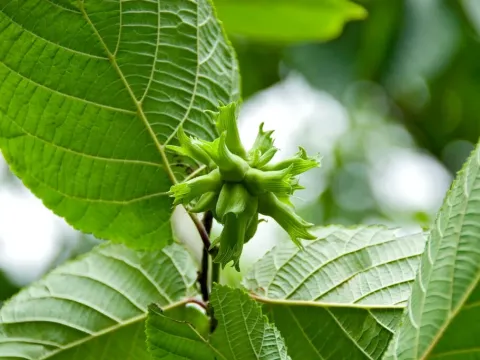
Chinese hazel
Corylus chinensis
Chinese hazel (Corylus chinensis) is a distinctive deciduous tree belonging to the Betulaceae family. Unlike common hazel shrubs, this species can reach heights of up to 40 meters, characterized by a straight trunk and a broad, spreading crown.
What the section contains
Chinese hazel
Native to the mountain regions of central and western China, this species thrives in temperate forest zones. It is typically found at elevations between 1,500 and 3,000 meters, preferring areas with high atmospheric humidity and consistent precipitation.
The cultivation of Corylus chinensis requires deep, fertile, and well-drained soils. While it can adapt to various soil types, it performs best in loamy, nutrient-rich environments that retain moisture without becoming waterlogged.
In terms of climatic conditions, the tree exhibits significant resilience to cold temperatures. It prefers sites with partial shade in its juvenile stage, transitioning to full sun requirements as it matures to ensure healthy development and subsequent nut production.
Agrotechnical management includes mulching the root zone to maintain soil moisture and suppressing weed competition. Regular organic fertilization and proper site selection are essential for establishing the tree in non-native climates.
The economic value of Chinese hazel is split between its high-quality timber and its edible nuts. The wood is prized in carpentry and furniture making due to its density, fine grain, and structural durability.
The nuts produced by the tree are rich in fats and proteins. Although smaller than those of the common cultivated hazelnut, they are edible and possess a pleasant flavor profile, making them a useful secondary resource in agroforestry.
Productivity is observed to be relatively slow in the early years of the tree's life, as it prioritizes biomass accumulation. However, once established, the tree remains productive for many decades, providing a sustainable source of forest products.
Harvesting is usually conducted in autumn once the involucres, which protect the nuts, become brittle and open. Mechanical or hand harvesting must be followed by immediate cleaning and drying to prevent mold growth.
Research into the species focuses on its potential as a rootstock or genetic donor for breeding programs aimed at improving the drought and disease resistance of commercial hazelnut cultivars.
Like many species in the Betulaceae family, Chinese hazel is susceptible to various fungal pathogens. Powdery mildew and leaf spot diseases are common, especially when trees are planted in areas with poor air circulation.
Pest pressure is primarily driven by nut weevils, which lay eggs inside the developing nuts. Infestations can lead to significant crop loss if not managed during the critical stages of nut development.
Effective management includes maintaining a clean orchard environment by removing leaf litter and debris, which serves as a overwintering site for many pathogens and insects.
Application of fungicides and biological control agents should be timed according to the tree's phenological stages. Proper canopy management through selective pruning is also vital to improve airflow and reduce humidity levels around the foliage.
Monitoring for signs of root rot or wood-boring insects is necessary in mature plantations, as these can severely compromise the structural integrity and longevity of the trees.