
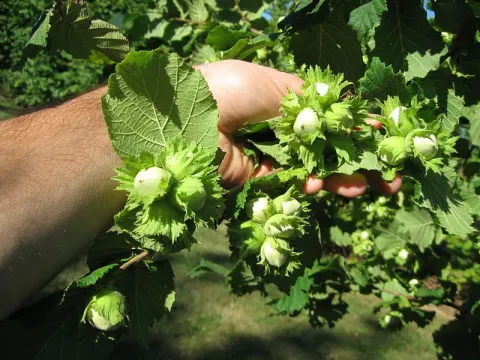
Pontic hazel
Corylus pontica
Pontic hazel (Corylus pontica) is a significant member of the Betulaceae family, primarily cultivated for its high-quality nuts. It is a hardy, long-living deciduous shrub adapted to specific temperate climates.
What the section contains
Pontic hazel
The plant originates from the Caucasus and Asia Minor. It thrives in regions with mild winters and humid summers, which are ideal for fruit development and preventing excessive water stress during the ripening stage.
Ideal soil for this crop is deep, fertile, and well-drained loamy soil with a slightly acidic to neutral pH. Proper soil preparation before planting is essential for long-term productivity and tree health.
Maintenance involves routine weeding, moisture conservation through mulching, and regular pruning to shape the canopy. Productive orchards require sunlight to ensure proper nut filling and bud formation for the next season.
The nuts of Corylus pontica are highly valued in the confectionery industry due to their excellent flavor and nutritional profile. They are also processed into oils and various food ingredients globally.
The hazelnut weevil is a primary pest that can cause substantial economic losses. Integrated pest management strategies, including monitoring traps and targeted sprays, are necessary for protection.
Fungal diseases like powdery mildew are common in humid conditions. Managing air circulation within the shrub canopy is essential to reduce the humidity levels that favor fungal spore germination.
Bacterial blight can impact branch health, leading to localized dieback. Removing infected twigs and ensuring proper sanitization of pruning shears are critical steps in orchard hygiene.
Nutrient deficiency can exacerbate susceptibility to various stressors. Applying balanced organic and inorganic fertilizers based on soil testing ensures robust growth and disease resistance.
Periodic scouting for signs of aphids or mites should be conducted throughout the spring and early summer. Early intervention is the most effective way to protect the future harvest.