
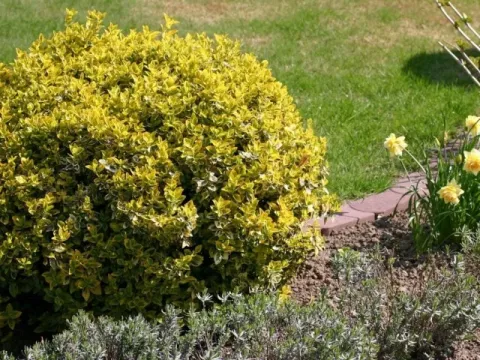
Hybrid spindle
Euonymus hybrids
The hybrid spindle (Euonymus hybrids) belongs to the Celastraceae family. It is a group of cultivated varieties developed by combining different species to achieve better foliage color, growth habits, and overall resilience in landscape settings.
What the section contains
Hybrid spindle
This crop thrives best in locations that receive full sun to partial shade. Exposure to direct sunlight is crucial for varieties with variegated leaves, as it enhances their color intensity, whereas excessive shade may cause them to become predominantly green.
The plant requires fertile, well-drained soil with a slightly alkaline to neutral pH. Soil structure is paramount; it should be loose enough to allow proper root aeration, as the hybrid spindle is highly susceptible to root rot if waterlogged conditions persist.
Climate adaptation of hybrid spindles is generally robust, making them suitable for various temperate zones. However, providing a layer of organic mulch around the base of the plant is recommended to stabilize soil temperature and retain moisture throughout the growing season.
Regular maintenance involves pruning in late winter or early spring to remove dead or diseased branches and to shape the shrub according to aesthetic goals. Balanced slow-release fertilizers applied in spring support vigorous leaf development and branch density.
Pest management focuses primarily on controlling scale insects and spider mites, which can cause leaf yellowing and stunted growth. Integrated pest management, including horticultural oils or systemic insecticides, is often utilized in intensive cultivation.
Fungal issues such as powdery mildew are common in humid environments with poor air circulation. Removing overcrowded inner branches to improve airflow and applying preventive fungicides can effectively mitigate these common pathological threats to the plant.