
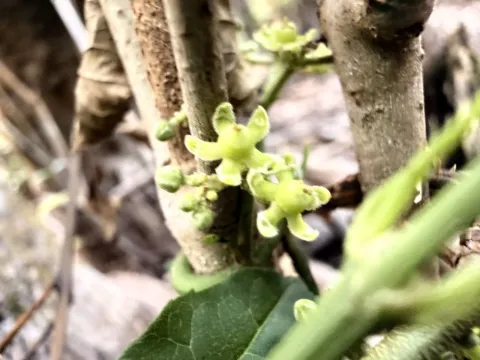
Hippocratea
Hippocratea
Hippocratea is a genus of woody lianas belonging to the Celastraceae family. These plants are primarily native to tropical regions of the Americas, Africa, and Southeast Asia, typically thriving in dense forest environments.
What the section contains
Hippocratea
The culture requires a tropical climate characterized by constant warmth and high ambient humidity. Temperatures should ideally range between 22°C and 30°C to ensure optimal physiological activity and vegetative growth.
Soil requirements involve well-draining, nutrient-rich substrates. As forest plants, they thrive in soils with high organic matter content and a slightly acidic pH, which helps maintain the bioavailability of essential nutrients.
In terms of agricultural techniques, the provision of robust vertical supports is essential. These vines utilize specialized structures to climb, and without adequate support, their growth potential remains significantly restricted.
Regular monitoring of moisture levels is crucial; while the soil should remain moist, it must never be waterlogged. Mulching is highly recommended to mimic natural forest floor conditions and retain humidity around the root system.
The primary threats to Hippocratea include fungal leaf spots and stem rots, often triggered by prolonged periods of high humidity combined with poor air circulation in the canopy or cultivation space.
Pests such as mites and scales frequently infest these vines, particularly in greenhouse conditions. These pests weaken the plant by extracting sap and providing entry points for secondary infections.
Root-knot nematodes represent a significant underground risk, causing stunted growth and poor nutrient uptake. Soil sterilization or the use of resistant rootstocks can help mitigate this problem in commercial settings.
Leaf-eating caterpillars can cause severe defoliation, which limits the plant's photosynthetic capacity and slows down the maturation of fruit or flowers.
Integrated Pest Management (IPM) strategies, including the introduction of beneficial predatory insects and the use of botanical insecticides, are the most effective way to control infestations without damaging the plant's medicinal properties.