
Horned spindle
Euonymus cornutus
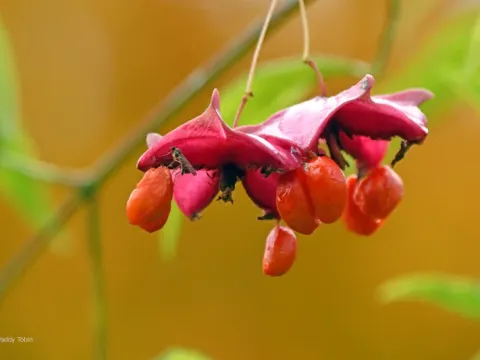
The Horned spindle (Euonymus cornutus) is a unique deciduous shrub belonging to the Celastraceae family. Native to the mountainous regions of China, this species is highly valued in horticulture for its distinct, horn-shaped pink fruit capsules that appear in late summer and autumn.
What the section contains
Horned spindle
Botanically, it is characterized by its slender branches and vibrant autumn foliage that shifts to shades of brilliant red and purple. It thrives in environments that mimic its native forest habitat, specifically locations with filtered light and high atmospheric humidity.
In terms of soil requirements, Euonymus cornutus prefers rich, well-draining loamy soils with a slightly acidic to neutral pH level. It does not tolerate waterlogging, so soil structure must be improved with organic matter and drainage materials if planting in heavy clay.
Regarding climate, this shrub is best suited to temperate regions where it can be protected from scorching midday sun and severe, drying winds. It shows moderate cold hardiness, although young plants may require winter protection in colder zones to ensure successful establishment.
General maintenance includes consistent watering during the growing season and providing a layer of mulch around the base to retain moisture. Occasional pruning in early spring is sufficient to maintain the plant's shape and encourage healthy new growth for the coming season.
The Horned spindle is susceptible to common pests, most notably the spindle ermine moth, which can cause significant defoliation. Regular scouting of the foliage for larvae is essential for early intervention using appropriate insecticidal treatments.
Aphids and spider mites are also common pests, particularly during periods of warm, dry weather. These insects can weaken the plant by sucking sap from tender shoots, and they should be managed with timely applications of systemic insecticides or horticultural oils.
Powdery mildew can become an issue if the planting site lacks sufficient air circulation or if the foliage remains wet for extended periods. Pruning the canopy to ensure airflow and avoiding overhead irrigation are effective strategies for preventing fungal outbreaks.
Root rot is often a result of poorly drained soil or excessive moisture accumulation. To prevent this, ensure that the planting site has been properly prepared with gravel or sand to facilitate rapid drainage, especially in areas with high seasonal rainfall.
Overall plant health is best maintained by keeping the shrub free of dead wood and ensuring it is not overcrowded by competing vegetation. Maintaining vigorous growth through proper nutrition and care is the best defense against both pests and secondary fungal infections.