
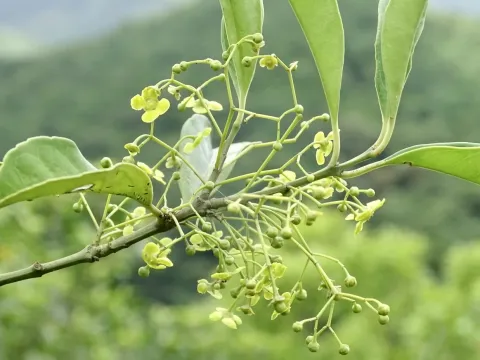
Euonymus nitidus
Euonymus nitidus
Euonymus nitidus, commonly known as a type of glossy spindle, is a member of the Celastraceae family. This evergreen or semi-evergreen shrub is highly valued in horticulture for its dense, vibrant foliage that remains visually appealing throughout the seasons.
What the section contains
Euonymus nitidus
The plant thrives in full sun, though it can tolerate partial shade conditions. Exposure to adequate sunlight is essential for maintaining the characteristic glossy appearance and density of the leaves, as well as promoting overall structural integrity.
Ideal soil conditions include well-draining, fertile loam that is kept consistently moist but not waterlogged. Proper drainage is critical, as the roots are sensitive to stagnant water, which can lead to rapid decline in plant health.
This shrub prefers temperate climates and benefits from protection against severe frost and drying winter winds. In colder regions, providing a sheltered location or applying organic mulch around the base is recommended to protect the root zone.
In landscaping, Euonymus nitidus is widely used for hedging, topiary, and border planting. Its ability to tolerate pruning and shaping makes it a versatile choice for designers aiming to create structured, formal, or naturalistic garden settings.
Spider mites are among the most persistent pests for this species, particularly during hot and dry spells. These pests weaken the plant by feeding on cell sap, necessitating early detection and the use of appropriate miticides or horticultural oils.
Scale insects represent another potential threat, often found attached to stems. They can be effectively managed with systemic insecticides or manual removal, especially when infestations are identified early in the growing season.
Powdery mildew can affect the foliage in humid, poorly ventilated areas, appearing as a dusty white substance. Improving air circulation around the plants and avoiding overhead irrigation can significantly reduce the incidence of this fungal disease.
Root rot, driven by poor drainage and excessive watering, is a significant risk that must be managed through careful irrigation scheduling. Ensuring the soil has adequate porosity is the primary method of preventing this detrimental condition.
Regular maintenance, including proper pruning and balanced fertilization, is key to keeping the plant vigorous. A healthy, well-nourished shrub naturally exhibits stronger resistance to both pest attacks and environmental stressors.