
Degen's Knautia
Knautia degenii
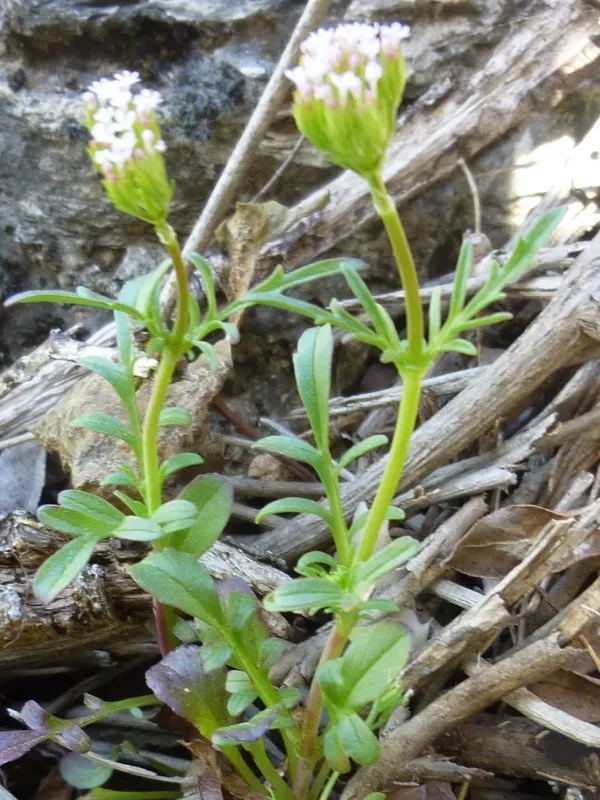
Description
Sowing dates
Degen's Knautia, belonging to the Caprifoliaceae family, is a perennial herbaceous plant. In temperate climates, sowing seeds is recommended during the autumn or early spring into well-prepared soil.
The optimal time for seed stratification is autumn, which helps increase germination rates in the spring. Sowing is typically done in rows with spacing of 30-40 centimeters to ensure sufficient room for development.
The sowing depth should not exceed 1-2 centimeters, as the small seeds require close contact with a moist substrate. When sowing in spring, the soil temperature should be at least 10-12 degrees Celsius.
The crop is characterized by slow initial development, primarily forming a basal rosette of leaves in the first year. Full development of above-ground vegetative mass occurs in the second and subsequent years.
For establishing healthy stands, it is recommended to use high-quality seed material with high germination energy, adapted to local climatic zones.
Growing requirements
This plant prefers well-drained, fertile loamy or sandy-loam soils with a neutral or slightly alkaline pH. Waterlogging and prolonged moisture retention are detrimental to the root system.
Degen's Knautia is a light-loving crop; therefore, it requires open, well-lit areas for intensive growth and profuse flowering. In the shade, the plant tends to stretch and loses both its aesthetic and fodder value.
The species demonstrates good frost and drought tolerance, allowing it to be grown in continental climates. However, during periods of extreme drought, additional irrigation may be necessary to support vegetation.
For optimal growth, the soil should contain a moderate amount of humus and ensure oxygen access to the roots. Regular cultivation between rows helps retain moisture and control weeds.
The application of mineral fertilizers, particularly phosphorus and potassium, improves plant resistance to environmental stress and enhances the overall quality of the biomass.
Yield
The primary agricultural use of Degen's Knautia is as a component in perennial seeded meadows and pastures. The crop significantly enriches the composition of the grass stand.
The plant is valued as an important honey source, providing nectar for bees in mid-summer, which enhances the biodiversity of agroecosystems. Its pollen and nectar attract a wide variety of beneficial entomophages.
The green mass of Degen's Knautia contains a complex of nutrients, making it suitable for use in silage mixtures or when harvesting hay in combination with legumes and grasses.
The yield of green mass depends on stand density and soil fertility, averaging 150-250 centners per hectare under intensive management and regular fertilization.
Thanks to its ability to regrow after mowing, Degen's Knautia allows for multiple cuts per season under sufficient moisture conditions, making it a promising component for forage blends.
Main diseases and pests
The crop possesses relatively high natural resistance to diseases, although improper agronomy can lead to fungal infections such as powdery mildew.
Damage to the root system by wireworms is one of the main issues during the early growth stages. Proper crop rotation is an essential agronomic tool for pest control.
The aerial parts of the plant can be attacked by aphids during mass outbreaks, which negatively affects flowering intensity and vegetative mass accumulation.
Disease prevention involves timely weed removal, maintaining optimal stand density, and ensuring good air circulation within the planting area.
- Powdery mildew (caused by excessive humidity).
- Aphids (attracted to the active growth of young shoots).
- Wireworms (target underground organs in the soil).
Harvesting
Harvesting for hay is conducted during the mass flowering stage, when the plant accumulates the maximum amount of nutrients and micronutrients. This is a critical stage for maintaining fodder quality.
Mowing is recommended at a height of 7-10 centimeters from the soil surface to ensure rapid regrowth of the aftermath and to preserve the tillering nodes.
When preparing hay, rapid drying in swaths is essential to prevent the loss of leaves, which contain the highest concentration of biologically active compounds and protein.
If the cultivation goal is seed production, harvesting is done selectively as the flower heads turn brown, preventing the shattering of the most mature material from the top of the stems.
Timely harvesting allows not only for a high-quality yield but also contributes to the longevity of the stand, preventing plant exhaustion due to over-maturation.