
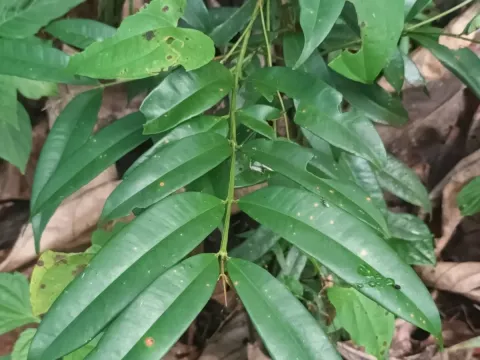
Calophyllum polyanthum
Calophyllum polyanthum
Calophyllum polyanthum is a significant tree species belonging to the Clusiaceae family. Native to the tropical regions of Southeast Asia, it is primarily found in the dense, evergreen rainforests of India, Myanmar, and the surrounding territories.
What the section contains
Calophyllum polyanthum
The tree thrives in environments characterized by high annual precipitation and consistently warm temperatures. It is highly sensitive to frost and extreme cold, requiring a tropical or humid subtropical climate for successful development and growth.
Soil requirements for this species include deep, fertile, and well-drained soils. While it can adapt to various types of forest soils, waterlogging must be avoided to prevent root diseases and ensure healthy development of the tree's vascular system.
The biological structure of Calophyllum polyanthum is defined by its robust, tall trunk and a dense, dark green canopy. Its small, fragrant flowers contribute to the species' name, while the resulting drupes are vital for seed dispersal in its native habitat.
In economic terms, the tree is highly valued for its durable and strong wood, which is utilized in high-quality furniture making and structural construction. Additionally, oil extracted from its seeds has traditional and industrial applications.
Fungal infections, particularly root rot, represent a primary threat to Calophyllum polyanthum plantations. These pathogens flourish in high-humidity conditions, especially where soil drainage is inadequate for the species' needs.
Wood-boring insects are the most significant pests for mature trees. Their larvae penetrate the trunk and branches, severely damaging the timber quality and potentially causing the death of weakened or stressed specimens in the plantation.
Defoliating insects can occasionally lead to significant growth loss, especially in young saplings during the peak of the growing season. Maintaining the overall vitality of the trees through balanced fertilization is key to preventing infestations.
Environmental stressors such as cyclonic winds and excessive shading from invasive species can hinder the growth of young trees. Regular thinning and canopy management are essential practices to ensure individual tree health and longevity.
Integrated Pest Management (IPM) strategies, including the use of pheromone traps and biological predators, are recommended to control pest populations while maintaining the ecological integrity of the forestry area.