
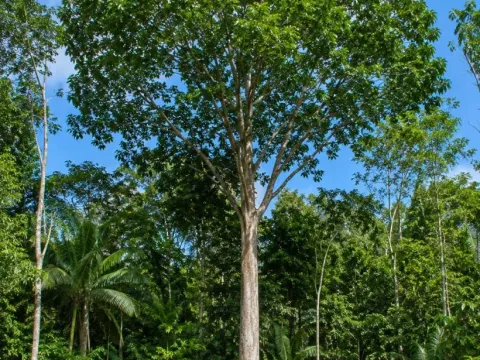
Calophyllum peekelii
Calophyllum peekelii
Calophyllum peekelii is a prominent tree species belonging to the Clusiaceae family. Native to tropical ecosystems, this tree thrives in high-humidity, warm environments where temperatures remain consistent throughout the year. It is a vital component of the local flora in its natural range.
What the section contains
Calophyllum peekelii
The cultivation of this species requires deep, well-draining, and nutrient-rich soils. While the tree is robust, it is highly sensitive to waterlogging, which can compromise its root development. Ensuring proper soil structure is essential for long-term health and productivity.
Climatic requirements focus on steady thermal conditions and sufficient rainfall. The plant prefers areas with plenty of direct sunlight, although young saplings may benefit from partial shade during their initial establishment phase to protect them from excessive heat stress.
Botanically, the tree features dense, evergreen foliage and distinct, showy flowers. Its wood is highly valued in local construction for its structural integrity and durability. The tree structure is engineered by nature to withstand the specific pressures of tropical wind and rain.
The primary economic value of Calophyllum peekelii lies in its seeds, which are processed to produce high-quality oil used in various cosmetic and medicinal applications. Sustainable management of these trees is crucial for both local economies and environmental conservation.
The yield of Calophyllum peekelii is dependent on the maturity of the trees and the consistency of the management practices. As perennial crops, they require several years to reach full production potential, after which yields can be significant if pruned and maintained correctly.
Harvesting typically involves collecting mature fruits that fall from the canopy. Manual labor is common in current farming practices, where workers systematically gather fallen fruits to process the seeds for oil extraction.
Improving yield performance involves optimizing tree density to ensure each plant receives adequate solar energy. Proper spacing prevents the overlapping of canopies, which is known to reduce the photosynthetic output of lower branches.
Soil nutrient management, particularly the use of organic composting, supports healthy tree development and higher fruit fat content. Consistent monitoring of soil minerals helps in sustaining productive cycles over many decades of cultivation.
While large-scale commercial breeding is limited, the selection of superior mother trees based on their fruit size and oil content is a primary strategy for increasing overall output. This selection process is vital for farmers aiming to improve their long-term crop quality.
Fungal pathogens represent the most significant threat to Calophyllum peekelii plantations, particularly in regions with high precipitation and humidity. These pathogens can severely affect leaf health, leading to premature leaf drop and decreased tree vigor.
Pests, including specialized tropical insects that target reproductive organs, pose a risk to seed production. The use of Integrated Pest Management (IPM) strategies, which prioritize biological controls, is highly recommended to protect the trees without harming the environment.
Poor aeration within the canopy is a major factor that encourages disease development. Pruning techniques must be strictly followed to facilitate airflow and sunlight penetration, which act as natural deterrents to mold and fungal outbreaks.
Root health is critical, and waterlogged soil conditions often lead to secondary infections. Regular monitoring of the soil drainage infrastructure is essential, especially after heavy monsoon rains, to prevent the decay of vital root structures.
Climatic shifts and atypical temperature fluctuations can weaken the natural defense mechanisms of the trees. Proactive monitoring and the maintenance of a healthy ecosystem around the plantation help to mitigate these risks and ensure the survival of the crops.