
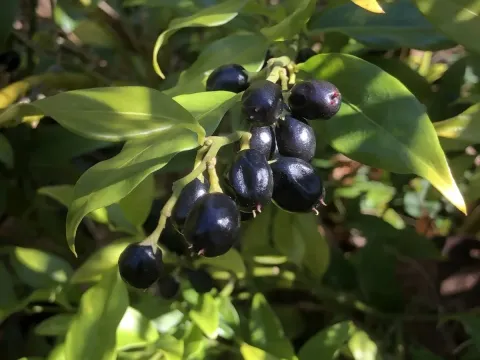
Sarcococca
Sarcococca
Sarcococca, commonly known as sweet box, is a genus of evergreen shrubs belonging to the Buxaceae family. Originating from the forest regions of Southeast Asia and the Himalayas, these plants are renowned for their shade tolerance.
What the section contains


Sarcococca
The culture requires well-drained, humus-rich soil with a neutral to slightly acidic pH level. It thrives in sheltered spots where it is protected from harsh winds and intense afternoon sunlight, which can damage the foliage.
Moisture management is a critical aspect of Sarcococca cultivation. While the plant prefers consistently moist soil, it is highly susceptible to root rot if waterlogged, necessitating a robust drainage system in planting sites.
Botanically, the plant is characterized by slow growth and high fragrance, especially during its winter or early spring flowering period. Its leathery, glossy leaves make it a popular choice for evergreen hedging and ground cover.
In landscaping, Sarcococca is valued for its ability to grow in difficult, low-light areas where other ornamental shrubs might fail. Regular mulching is recommended to maintain soil moisture and suppress competition from weeds.
The most common health issues for Sarcococca are fungal infections, particularly leaf spot diseases. These are typically triggered by poor air circulation and excessive humidity, which favor the spread of pathogenic spores.
Pests such as scale insects and mealybugs frequently target the plant. These pests feed on the sap, causing leaf yellowing and general plant decline, which eventually requires chemical or biological control measures.
Root rot, caused by various species of Phytophthora, remains a significant threat in poorly drained soils. Symptoms include wilting, discolored roots, and sudden collapse of individual branches or the entire shrub.
Managing threats involves a combination of cultural practices and targeted interventions. Ensuring adequate spacing between plants allows for natural ventilation, reducing the moisture levels that promote fungal outbreaks.
Farmers and gardeners should implement a regular monitoring schedule to detect infestations early. Utilizing horticultural oils or systemic insecticides is effective for managing common scale and aphid populations found in this species.