
Sri Lankan sarcococca
Sarcococca zeylanica
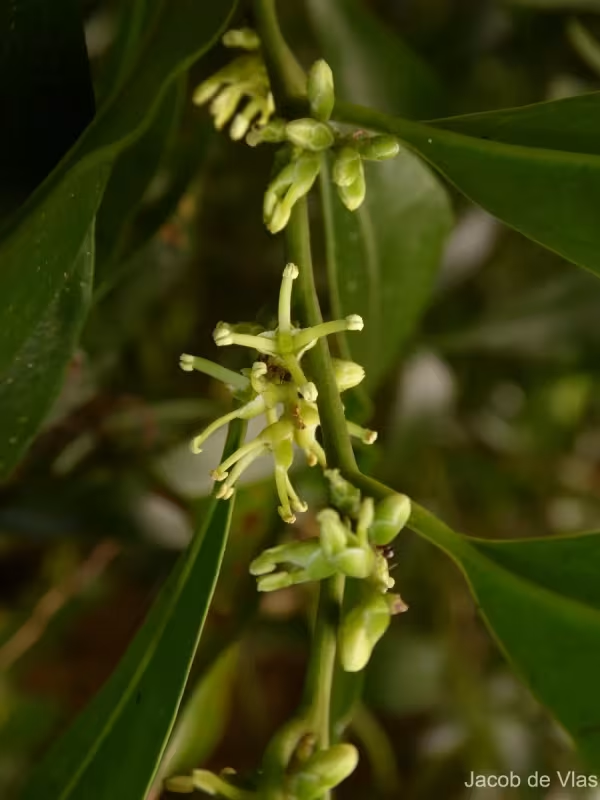
Description
Growing requirements
Sri Lankan sarcococca (Sarcococca zeylanica) is an evergreen shrub member of the Buxaceae family. Native to the humid mountain forests of Sri Lanka, this plant is valued for its compact growth and glossy foliage which stays vibrant throughout the year.
The cultural requirements for this species focus on mimicking its natural highland environment. It thrives in shaded areas, away from intense, direct sunlight, which can cause leaf scorch and heat stress to the plant's delicate root system.
Soil management is critical for the success of Sarcococca zeylanica. The ideal substrate is rich in organic humus, slightly acidic to neutral, and possesses excellent drainage capabilities to prevent waterlogging, which the plant is highly susceptible to.
In terms of agricultural maintenance, consistent moisture is vital. The plant prefers high humidity levels, making it better suited for greenhouse conditions or protected conservatory environments in cooler climates rather than open fields.
Botanical characteristics include fragrant flowers followed by small, ornamental berries. These traits make it a sought-after species for botanical collections, though it requires precise climate control to maintain peak aesthetic and physiological condition.
Main diseases and pests
Root rot remains the primary threat to Sri Lankan sarcococca. It is almost exclusively caused by poor drainage and excessive watering, which creates an anaerobic environment where pathogens flourish and attack the root tissue.
Scale insects are common pests that colonize stems and leaves. By feeding on sap, these insects can cause yellowing of the leaves and premature leaf drop, severely affecting the shrub's overall decorative appeal.
Mealybugs represent another biological challenge, often hiding in the leaf axils. They are difficult to eradicate once they form dense colonies, necessitating the use of targeted horticultural oils or systemic insecticides.
Spider mites can become a significant issue in indoor environments where air circulation is poor and humidity levels fluctuate significantly. Regular monitoring of the foliage is necessary to detect infestation early.
Effective pest and disease control strategies involve a combination of preventative measures, such as providing adequate space between plants and maintaining a clean growing area to prevent the spread of fungal spores.