
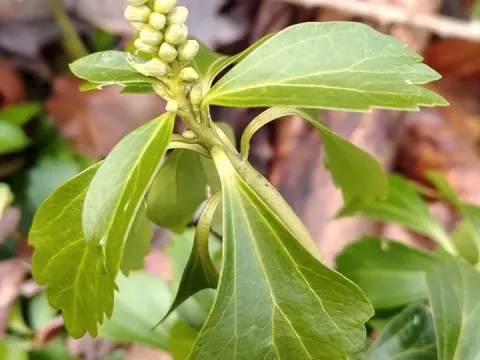
Pachysandra
Pachysandra Michx.
Pachysandra is a genus of low-growing perennial plants belonging to the boxwood family, Buxaceae. Native to North America and East Asia, these plants are prized for their ability to thrive in shaded environments where other species struggle to grow.
What the section contains

Pachysandra
The culture requires specific conditions to achieve full coverage. It prefers nutrient-rich, humusy soil that is slightly acidic. Moisture retention is critical for the health of the rhizomes, yet the soil must remain well-drained to avoid root rot.
Light requirements for Pachysandra are strict; it is a quintessential shade plant. In open sunlight, the foliage tends to bleach or develop necrotic patches, whereas in dappled shade, it maintains a deep, healthy green hue year-round.
Regarding climate, the plant is relatively hardy once established. It is well-suited for temperate regions, though it may require winter mulch in northern climates to protect the evergreen leaves from desiccating winds and temperature fluctuations.
The economic and aesthetic value of Pachysandra lies in its function as an effective groundcover. It creates a thick, uniform carpet that naturally suppresses invasive weeds, reducing the need for chemical maintenance in garden beds.
Pachysandra is generally robust but can be susceptible to fungal diseases such as Volutella leaf blight. This typically occurs in crowded plantings with poor air circulation or excessive overhead moisture.
Common pests include slugs and snails, which can cause significant damage to young shoots during wet, humid spring months. Monitoring these pests is essential during the early stages of plant establishment.
Root pathogens can pose a threat if the soil remains waterlogged for extended periods. Ensuring proper drainage is the primary agricultural control method for preventing these subterranean issues.
Maintenance of plant vigor is the best defense against threats. Regular inspection of the foliage for discolored spots or signs of insect feeding allows for early intervention before an infestation becomes severe.
Cultural practices such as removing dead organic matter from the planting site help reduce the habitat for slugs and snails. Avoiding overhead irrigation can significantly lower the risk of fungal infections.