
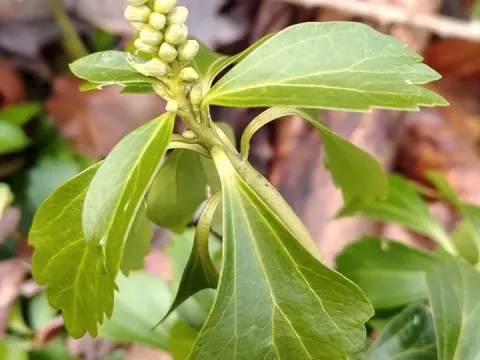
Pachysandra
Pachysandra
Pachysandra is a genus in the Buxaceae family, widely recognized as a robust evergreen subshrub. Originating primarily from East Asia and North America, it is highly valued for its dense foliage.
What the section contains


Pachysandra
This plant thrives in deep to partial shade, making it a perfect solution for dark garden areas. It functions effectively as a groundcover, suppressing weeds and preventing soil erosion in woodland gardens.
Regarding soil requirements, Pachysandra prefers moist, fertile, and well-drained loam. It is sensitive to alkaline soils, preferring a slightly acidic pH to maintain the deep green color of its foliage.
Proper horticultural practice involves consistent moisture management. While the plant is drought-tolerant once established, supplemental watering during hot summer spells is necessary to prevent leaf browning.
Propagation is typically achieved through division of the rhizomes in spring or early autumn. As a low-maintenance crop, it requires minimal pruning, mostly limited to removing dead or damaged stems after winter.
The most significant pathological threat to Pachysandra is leaf blight caused by the fungus Volutella pachysandrae. This disease spreads quickly in overcrowded plantings with poor air circulation.
Root rot is another common issue, usually resulting from saturated soil conditions. Ensuring the site has excellent drainage is crucial to preventing the decay of the underground rhizomes.
Slugs and snails are the primary pests that damage the succulent young foliage. These pests are particularly active during damp weather and can significantly mar the aesthetic quality of the groundcover.
Scale insects can occasionally infest the stems, sucking plant sap and weakening the overall vigor of the colony. Systemic insecticides or neem oil can be used to manage localized infestations.
To mitigate these threats, gardeners should avoid overhead watering, which keeps foliage wet for extended periods, and maintain adequate spacing between plants to encourage faster drying of the leaves.