
Hybrid Boxwood
Buxus hybrids
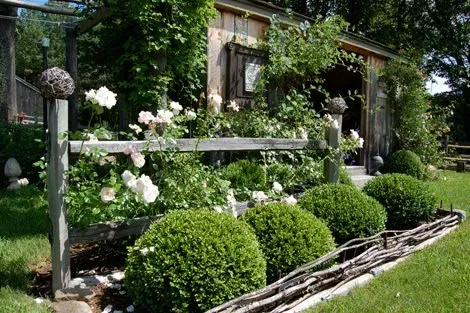
Description
Growing requirements
Hybrid boxwood is an evergreen shrub resulting from the selection of various species of the genus Buxus, belonging to the Buxaceae family. These plants are valued for their dense, leathery foliage and ability to maintain their decorative appearance throughout the year, making them essential for landscaping.
The crop prefers areas with dappled light or partial shade, as direct sunlight can cause leaf scorch, especially during the winter-spring period. Optimal development of the shrub is observed when protected from cold winds, which negatively affect the state of the needles and the overall winter hardiness of the hybrids.
Successful cultivation requires well-drained, fertile soils with a neutral or slightly alkaline pH. The plant does not tolerate water stagnation in the root zone; therefore, when planting in heavy clay soils, it is necessary to create a reliable drainage layer of crushed stone or coarse sand.
Climate requirements include moderate air and soil humidity. During dry periods, boxwood requires regular watering, and when temperatures drop below critical levels for a specific hybrid, protection is needed to prevent the shoots from drying out under the influence of low temperatures and bright sun.
Agrotechnics include systematic pruning, which promotes the formation of a dense crown. Hybrids are characterized by high plasticity, allowing them to be used to create topiary figures, dense hedges, and low borders in formal gardens.
Main diseases and pests
The main threat to boxwood in recent years has become the box tree moth, an invasive pest capable of destroying the plant in a matter of weeks by completely devouring the leaves and shoot bark.
A common disease is shoot necrosis caused by fungal pathogens, which manifests as the dying off of small branches and a change in leaf color to bronze or brown.
Rust and various types of leaf spot can also affect the crop if agrotechnical rules are not followed, if the planting is too dense, or if there is high humidity in the crown preventing ventilation.
To combat diseases, it is recommended to carry out preventive treatments with copper-based fungicides, especially during periods of high air humidity in the spring and autumn.
Pest control requires monitoring the bushes from April to September and timely application of systemic insecticides that interrupt the developmental cycle of the box tree moth.