
Fragrant sarcococca
Sarcococca ruscifolia
Description
Growing requirements
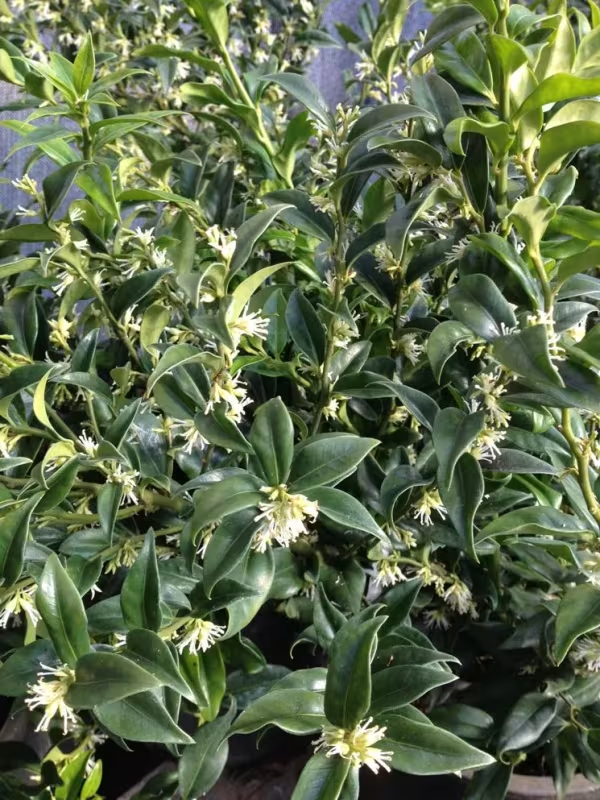
Sarcococca ruscifolia, commonly known as fragrant sarcococca, is a slow-growing, broad-leaved evergreen shrub belonging to the Buxaceae family. Originating from the mountainous regions of central and western China, this plant is highly valued for its glossy, dark-green foliage and clusters of intensely fragrant white flowers that bloom in winter.
The plant thrives in deep to partial shade, making it an excellent choice for woodland gardens or areas where sunlight is limited. Exposure to direct afternoon sun should be avoided, as it can scorch the leaves and significantly reduce the aesthetic appeal of the shrub throughout the summer season.
For optimal growth, Sarcococca ruscifolia requires well-drained, fertile, humus-rich soil that remains consistently moist but never waterlogged. It performs best in neutral to slightly acidic soil conditions; gardeners should amend heavy or alkaline soils with organic matter to improve drainage and nutrient availability.
Regarding climate, this species prefers temperate, mild environments and is hardy in USDA zones 7 through 9. While it can withstand light frost, it requires protection from harsh winter winds and extreme cold, especially for young specimens which may need a thick layer of mulch to insulate their root systems.
The practical application of this crop in landscaping is extensive, primarily as a groundcover, low hedge, or container specimen. Due to its shade tolerance, it serves as a structural element in architectural planting schemes, often providing year-round structure in corners of the garden that otherwise remain bare.
Main diseases and pests
Sarcococca ruscifolia is generally considered a disease-resistant plant, but it is not immune to environmental stress. Root rot, typically caused by Phytophthora species, is the most common pathology, usually resulting from poor soil drainage or excessive irrigation during cool periods of the year.
Pest issues include scale insects, which can attach themselves to stems and undersides of leaves, draining sap and weakening the plant. These pests can be difficult to detect until they cause significant chlorosis or leaf drop, requiring targeted application of systemic horticultural oils or insecticides.
Spider mites are another notable threat, particularly during prolonged dry spells or in low-humidity environments. These microscopic pests feed on cellular contents, causing a mottled, pale appearance on the leaves, which can be mitigated by increasing local humidity and using appropriate miticides.
Leaf spot diseases may occur in poorly ventilated areas where moisture persists on the foliage for extended periods. To prevent this, spacing plants correctly to ensure airflow and avoiding overhead irrigation are critical steps in maintaining the health of the shrubbery.
Effective management relies on a combination of cultural practices and early intervention. Routine garden hygiene, including the removal of debris around the base of the plant and periodic monitoring for signs of infestation or fungal decay, remains the most effective strategy for ensuring the longevity of Sarcococca ruscifolia.