
Berzelia alopecuroides
Berzelia alopecuroides
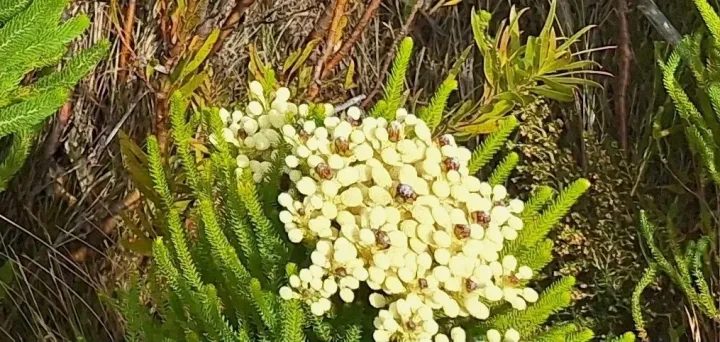
Description
Sowing dates
Propagation of Berzelia alopecuroides is typically performed through seeds or cuttings in a controlled greenhouse environment. Seeds should be sown in a loose, well-draining substrate while maintaining an ambient temperature of 18–20 degrees Celsius.
Since germination is slow, the use of growth stimulants and strict humidity control is essential. The ideal time for sowing is late winter, ensuring that seedlings are well-established by the start of the spring season.
Cuttings should be taken from semi-hardwood shoots and rooted in a sand-peat mixture under a plastic cover. Maintaining a stable microclimate is crucial, as the cuttings are sensitive to sudden temperature fluctuations.
Young plants require regular but light fertilization with low-phosphorus minerals. Repotting must be done with extreme care, as the root system of this species is fragile and susceptible to mechanical damage.
Field transplanting can only occur after all risk of late-season frost has passed. The plants should be placed in areas with plenty of direct sunlight and adequate protection from strong, drying winds.
Growing requirements
Berzelia alopecuroides is a member of the Bruniaceae family, native to the Cape region of South Africa. It is an evergreen shrub that can grow up to 1.5 meters tall, featuring dense, fox-tail-like foliage that provides its unique ornamental value.
This crop demands acidic to slightly acidic soils with excellent drainage. In containers, an ideal mix includes sand, peat, and turf soil, which mimics the natural rocky, nutrient-poor conditions of its native habitat.
The plant is highly heliophilic and requires intense sunlight to develop its signature flower heads. In non-native climates, it is best grown in greenhouses or pots that can be moved indoors during colder periods.
Irrigation should be consistent but moderate to prevent waterlogging. During the active growth phase, light misting with soft water can help maintain necessary ambient humidity levels without over-saturating the root zone.
Summer temperatures should remain between 15 and 25 degrees Celsius. A winter dormancy period with temperatures around 10–12 degrees Celsius is beneficial for the development of flower buds for the following season.
Main diseases and pests
The main threat to this plant is root rot caused by poor soil drainage and excessive irrigation. Regular inspection of the substrate is vital to avoid soil compaction and stagnant water around the roots.
Pests such as spider mites and scale insects can become problematic in dry greenhouse conditions. Routine checks of the underside of the leaves are recommended for early detection and mitigation of infestations.
Systemic insecticides should be applied according to professional guidelines if a pest outbreak is confirmed. Care must be taken, as the plant can be sensitive to certain harsh chemical additives.
Disease prevention is largely focused on maintaining high hygiene standards and excellent air circulation within the growing facility. Stagnant air is the primary catalyst for the development of various fungal infections.
If signs of tip wilt appear, the root system should be inspected immediately for decay. If identified early, the plant can often be rescued by repotting it into fresh substrate and applying targeted fungicide treatments.
Harvesting
Berzelia alopecuroides is primarily cultivated for the cut flower industry. Its decorative, globular inflorescences have exceptional vase life, making them a preferred choice for premium floral designs.
Harvesting is performed when the flower heads achieve their peak density and color intensity. All cutting tools must be sharp and sanitized to ensure clean cuts and prevent the introduction of pathogens into the shrub.
After harvesting, the stems should be kept in a cool, well-ventilated area away from direct sunlight. This preserves the natural waxy coating on the foliage and ensures the longevity of the stems.
Berzelia is a versatile structural element in bouquets, often paired with other exotic species to create depth and texture. Its ability to retain shape makes it a highly valuable asset for creative florists.
The stems can also be successfully dried for use in everlasting arrangements. When dried properly, the flower heads retain their original structure and muted colors, serving as a long-lasting decor piece.