
Berzelia abrotanoides
Berzelia abrotanoides
Description
Growing requirements
Berzelia abrotanoides is a perennial evergreen shrub belonging to the Bruniaceae family. Native to the Cape region of South Africa, it is perfectly adapted to a Mediterranean-like climate with distinct dry and cool seasons.
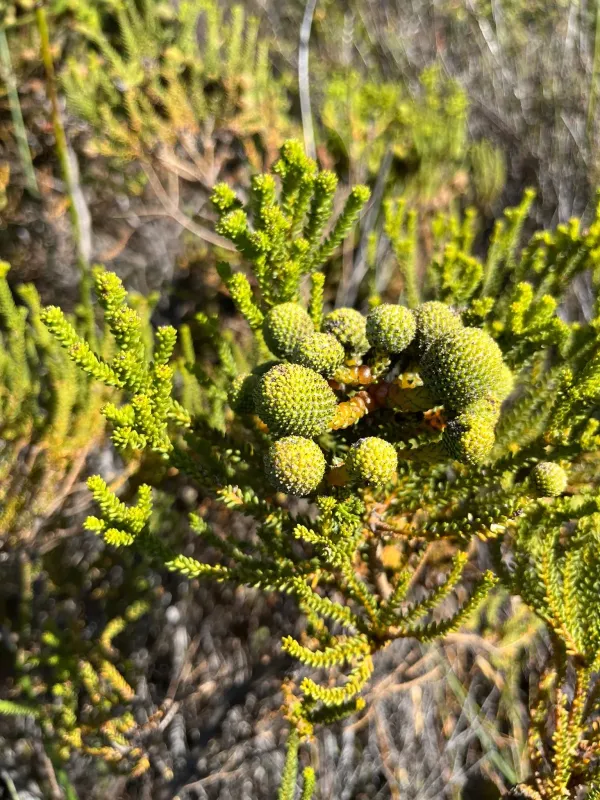
The plant features needle-like foliage and unique inflorescences formed by dense, spherical flower heads. These buttons are typically creamy white to yellowish, providing a striking texture that is highly valued in botanical collections.
Successful growth requires well-drained, acidic soil. A critical aspect of its cultivation is the sensitivity to phosphorus; the plant thrives in low-phosphorus conditions, and excessive fertilization can be detrimental to its health.
The species prefers bright, indirect light and high humidity. It is essential to prevent waterlogging, as the roots are prone to decay if soil drainage is compromised for even a short period of time.
In non-native climates, Berzelia abrotanoides must be grown in specialized greenhouses. This environment allows for the precise control of temperatures and ventilation, ensuring the plant remains free from thermal stress and fungal outbreaks.
Main diseases and pests
Fungal diseases are the primary threat, often occurring in environments with stagnant air or excessive soil moisture. Root rot is a common issue that can destroy established plants if proper drainage is not maintained.
Pests, particularly spider mites and mealybugs, are frequent challenges in greenhouse settings. Effective control relies on a strict integrated pest management program, emphasizing regular monitoring and biological or chemical treatments.
Water quality is of paramount importance. High concentrations of salts, calcium, or chlorine in the irrigation water can lead to severe mineral imbalances, resulting in stunted growth and leaf chlorosis.
Nutrient toxicity is a significant risk, particularly regarding phosphorus levels in the substrate. Growers must use specialized fertilizers designed for phosphorus-sensitive species to avoid damaging the plant's sensitive root system.
Preventive maintenance, including consistent air circulation and strict adherence to irrigation protocols, is the most effective way to protect the crop from environmental and biological stressors.
Harvesting
The primary agricultural use of this crop is in the cut flower industry. The plant is regarded as a premium ornamental filler, highly sought after by florists for its unique structural appeal and longevity in vases.
Harvesting is performed when the flower heads are fully developed and firm. Careful cutting of the stems, combined with immediate conditioning in water, is necessary to maintain the freshness and decorative quality of the flowers.
The plant is also excellent for use as a dried flower. Its robust spherical heads retain their shape and original colour for months, making them a sustainable choice for permanent dried floral arrangements.
Yield management revolves around pruning strategies. Regular pruning immediately after the flowering season stimulates the development of new stems, which are essential for the subsequent harvest cycle.
Due to its niche market appeal, commercial production is highly profitable for specialized growers who can meet the precise ecological demands of the Bruniaceae family in controlled environments.