
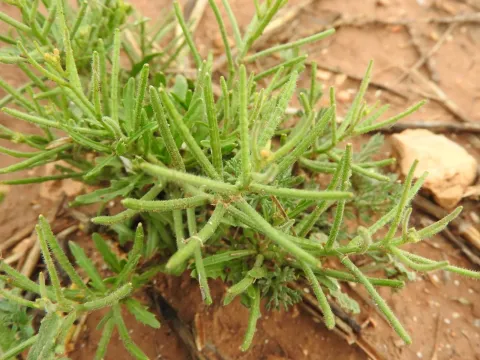
Neotorularia torulosa
Neotorularia torulosa
Neotorularia torulosa is a member of the Brassicaceae family, well-adapted to specific ecological niches. Understanding its life cycle is crucial for effective agricultural management.
What the section contains
Neotorularia torulosa
Sowing typically occurs in the early spring, coinciding with the warming of the soil. Proper preparation of the seedbed is essential to ensure consistent germination rates.
Seeds should be drilled at a shallow depth to optimize the emergence process. Precision seeding equipment helps in maintaining uniform spacing between plants.
The planting density must be calibrated according to local environmental conditions. Proper spacing reduces inter-plant competition and ensures that each plant receives adequate nutrients.
Monitoring the germination phase is critical, as it determines the success of the establishment phase. Adequate soil moisture levels must be maintained during the first two weeks.
The plant exhibits notable tolerance to arid and semi-arid conditions, making it a potentially resilient crop for regions facing water scarcity.
Abundant sunlight is a primary requirement for the healthy development of Neotorularia torulosa. Shaded areas significantly inhibit the growth and seed yield.
Well-drained, light-textured soils are ideal. Sandy loams provide the best environment for root penetration and development, which is vital for stress tolerance.
The plant thrives in soil with a neutral to slightly alkaline pH. Soil testing before planting is recommended to ensure that nutrient levels are adequate for optimal growth.
Cultural practices should focus on maintaining a weed-free field, especially during the early developmental stages, to allow the crop to maximize its growth potential.
Flea beetles are among the most significant pests targeting the early stages of plant growth, requiring proactive monitoring and potential protective measures.
Fungal diseases, such as downy mildew, can pose a risk during periods of high humidity. Improving air circulation in the field is a key preventive strategy.
Aphid infestations can occur during the reproductive phase, potentially damaging plant tissue and reducing the overall productivity of the crop.
Effective weed management is essential as competition from invasive species can significantly reduce yields. Integrated pest management (IPM) is highly encouraged.
Crop rotation protocols should be followed to break the life cycles of common pests and pathogens that affect Brassicaceae crops in agricultural systems.