
Hormathophylla halimifolia
Hormathophylla halimifolia
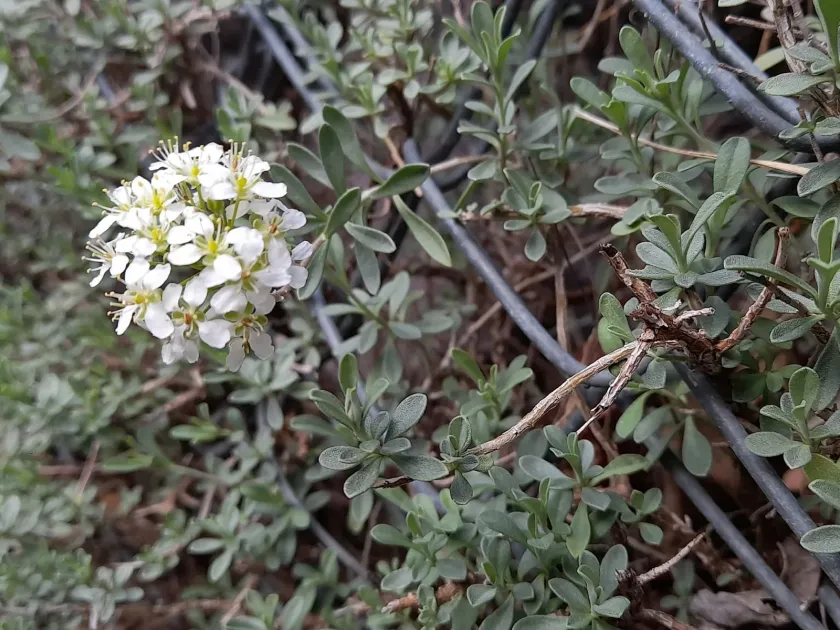
Description
Growing requirements
Hormathophylla halimifolia is a perennial plant species belonging to the Brassicaceae family. It is native to the mountainous regions of the Iberian Peninsula, where it has evolved to thrive in harsh, rocky, and often arid environments.
The plant is highly valued by gardeners for its compact, cushion-forming growth habit and attractive foliage. Its resilience makes it an ideal candidate for rock gardens, gravel beds, or xeriscaping projects where water management is crucial.
The core requirements for the cultivation of this species include well-draining, calcareous soil. It is essential to replicate its natural rocky habitat to prevent root rot, which is the most significant physiological stressor for the plant.
As a sun-loving plant, it requires a minimum of six hours of direct sunlight per day to maintain its structural integrity. In shaded conditions, the plant may become leggy and lose its characteristic dense, mounded appearance.
Hormathophylla halimifolia demonstrates significant climatic adaptability, being capable of surviving cold temperatures. However, its primary requirement remains consistent: a dry, porous substrate during the dormant winter period.
Main diseases and pests
The primary threats to the survival of Hormathophylla halimifolia are fungal infections linked to excessive moisture. Pathogens such as Phytophthora or Pythium species can quickly compromise the root system if the soil remains saturated for long periods.
Insect pests, including flea beetles (common among Brassicaceae), may cause foliage damage during the peak growing season. Regular inspections are recommended, particularly in the spring when new growth is most vulnerable to feeding.
Cultural control, such as maintaining adequate spacing between individual plants, is the best defense against disease outbreaks. Good air circulation significantly reduces the relative humidity around the base of the plant, hindering fungal development.
While the plant is quite hardy, severe aphid infestations may occasionally occur in protected or poorly ventilated environments. Simple mechanical removal or applications of insecticidal soap are usually sufficient to manage minor occurrences.
Overall, this species is relatively resistant and requires minimal intervention if the site selection and soil preparation are performed correctly. Avoiding over-fertilization is also recommended, as excess nitrogen can lead to soft growth susceptible to pests.