
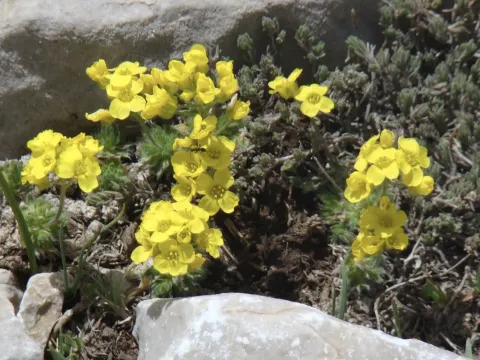
Draba bruniifolia
Draba bruniifolia
Draba bruniifolia is a perennial herbaceous plant species belonging to the Brassicaceae family. It is naturally adapted to alpine environments, primarily originating from high-altitude mountainous regions where it exhibits significant resilience to cold and sparse soil conditions.
What the section contains
Draba bruniifolia
The plant grows in dense, cushion-like rosettes, which provide excellent ground coverage. Its morphological structure allows it to withstand extreme weather conditions, making it a valuable species for rock gardens and specialized ecological plantations that mimic mountain habitats.
Successful cultivation of this species requires a location with full sun exposure and exceptional drainage. The soil should be gritty, sandy, or stony to prevent root moisture accumulation, which is detrimental to the survival of this particular alpine crop.
Regarding soil chemistry, Draba bruniifolia prefers neutral to slightly alkaline pH levels. While it can survive on relatively infertile soils, a light top-dressing of minerals may be beneficial during the active growth phase in early spring to support floral development.
Agricultural management is focused on preventing waterlogging, as the species is highly sensitive to root rot caused by stagnant water. In rainy climates, raised beds or sloped surfaces are recommended to ensure rapid runoff and maintain the health of the plant's root system.
The primary threats to the vitality of the plants are fungal infections triggered by excessive soil humidity. Root rot and damping-off disease are the most common issues that occur when the drainage system fails or when the soil remains saturated for long periods.
Insect pests such as flea beetles can occasionally damage the foliage, especially when the plants are young or stressed. Furthermore, during wet seasons, slug populations can cause significant physical damage to the rosettes, necessitating careful monitoring and timely intervention.