
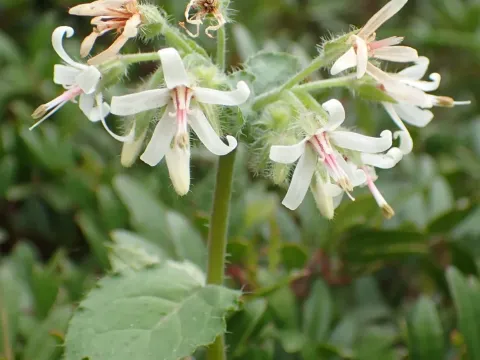
Cretan Comfrey
Symphytum creticum
Cretan Comfrey (Symphytum creticum) belongs to the Boraginaceae family. This perennial herb is valued in specialized agricultural practices, primarily propagated through seeds or the division of rhizomes during the dormancy phase.
What the section contains
Cretan Comfrey
For seed sowing, autumn is the ideal season to ensure natural cold stratification, which is critical for consistent germination rates. If spring planting is preferred, seeds must be sown as early as possible into well-prepared, moist soil conditions.
Planting spacing should maintain a distance of 50–60 centimeters between rows to allow for adequate ventilation and root expansion. Seed depth should be minimal, ideally 1–2 centimeters, to prevent rot or delayed sprouting due to deep burial in the soil.
Vegetative propagation via rhizome sections is the preferred method for maintaining genetic uniformity. These segments should be planted about 10 centimeters deep in well-draining soil, ensuring that each segment includes at least one active growth node.
The chosen site must receive ample morning sunlight while being sheltered from severe, desiccating winds. Proper site preparation, including removing competing weeds before planting, significantly boosts the initial growth of the plant population.
Cretan Comfrey thrives best in fertile, loamy soils rich in organic matter. It is a nitrogen-demanding crop, necessitating periodic applications of balanced organic compost to maintain high biomass production throughout the growing season.
The climate requirements include moderate temperatures with consistent moisture availability. While adaptable, the plant performs most robustly in regions with long growing seasons and sufficient rainfall to support its lush, broad-leaf development.
Soil pH management is crucial, with an optimal range between 6.0 and 7.5. Testing and amending the soil prior to planting ensures that the plant can efficiently absorb necessary micronutrients from the deep soil layers its roots inhabit.
Routine cultivation, such as mechanical weeding between rows, is required during the first year of growth. Once the canopy closes, the plant becomes an effective competitor against weeds, naturally suppressing them through its dense, shading foliage.
Regular irrigation is needed during prolonged dry spells, especially for younger plants whose root systems are not yet fully established. Preventing soil compaction through aeration is also vital to keep the rhizosphere healthy and productive.
The yield of Cretan Comfrey is primarily measured by the fresh biomass produced during the growing season. With proper management, the crop can be harvested multiple times per year, providing a significant source of forage or organic green manure.
The medicinal and nutritional concentration in the foliage peaks during the pre-flowering stage. Harvesting at this specific time ensures that the farmer captures the maximum amount of proteins and beneficial phytochemicals in the harvested crop.
Root yield, often harvested for pharmacological purposes, accumulates over several years. After 3 to 4 years, a mature stand can produce a substantial harvest of high-quality rhizomes, provided the soil fertility has been maintained.
Commercial plantations can remain productive for up to 7 years. After this period, the density of rhizomes usually leads to diminished vigor, signaling the need for field renewal and the planting of a fresh, rotated crop.
Optimizing harvest cycles based on local climate and soil health leads to consistent results. By balancing the harvest with the plant's recovery needs, farmers ensure long-term sustainability and profitability of the Cretan Comfrey field.
Powdery mildew is the most common fungal threat to Cretan Comfrey, particularly in areas with stagnant air and high humidity. Improving spacing and airflow is the primary defense against these fungal pathogens in the field.
Slugs and snails can cause significant damage to young, tender leaves in early spring. Integrated pest management, such as the use of biological barriers or evening manual collection, is often sufficient to control these infestations.
Root rot is a critical risk associated with waterlogged or poorly drained soils. Farmers must ensure proper field drainage to prevent these conditions, especially during seasons characterized by frequent, heavy rainfall.
Sucking insects like aphids may target the crop during hot, dry periods. Using insecticidal soaps or neem-based solutions allows for effective control while protecting the beneficial insect population surrounding the field.
Soil-borne nematodes can hinder root development over time, particularly in fields with repeated plantings. Adhering to strict crop rotation schedules is the best preventive measure to keep these microscopic pests from establishing a foothold.
The harvest for green biomass should commence just before the onset of flowering. Harvesting at this stage prevents the plant from diverting energy into seed production, thereby keeping the leaves nutrient-dense and palatable.
When cutting the foliage, it is vital to leave a 5–7 centimeter stubble above the crown. This ensures that the plant has enough energy reserves to quickly regenerate its foliage for the next harvest cycle.
Drying the harvested material should take place in a shaded, ventilated environment to prevent the degradation of heat-sensitive compounds. High temperatures or direct sunlight can significantly reduce the quality of the final product.
Harvesting rhizomes for pharmaceutical extraction is best performed in late autumn. At this point, the plant has retreated into its roots, resulting in the highest concentration of stored beneficial compounds within the harvested rhizomes.
After excavation, rhizomes should be cleaned of all soil, sliced, and dried under controlled temperature conditions. Properly stored, the dried material maintains its efficacy, providing a valuable commercial product for herbal and agricultural markets.