
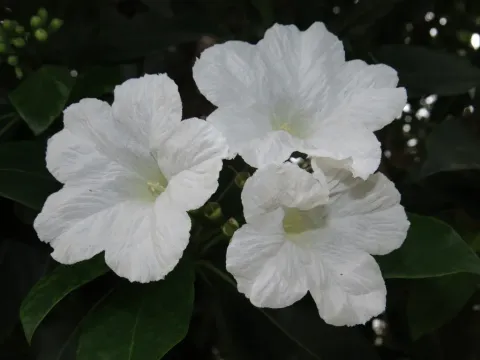
Cordia superba
Cordia superba
Cordia superba is a notable member of the Boraginaceae family, native to tropical regions of South America. It is recognized for its impressive ornamental value and structural characteristics, often serving as a key element in tropical landscaping.
What the section contains
Cordia superba
The species requires a warm climate with consistent temperatures. It does not tolerate frost, making it suitable for outdoor cultivation primarily in tropical or subtropical zones where the temperature remains within its biological comfort range.
Soil requirements for Cordia superba include a preference for well-draining, nutrient-rich substrates. It thrives in loamy soils, provided that the drainage is sufficient to prevent waterlogging, which is critical for root health.
Agrotechnical practices include maintaining adequate soil moisture levels while ensuring aeration. The tree responds well to balanced fertilization programs, especially during the active growth phase in the rainy season.
Botanically, the tree is characterized by large, leathery leaves and abundant flower clusters. These features contribute to its popularity as a shade tree and an aesthetic highlight in public parks and botanical gardens.
The economic utilization of Cordia superba primarily involves its application in both amenity horticulture and, in specific regions, for its high-quality timber. The wood is valued for its density and durability in woodworking applications.
Harvesting timber requires strategic planning to ensure the sustainability of the wood supply. Selective logging practices are often employed to maintain the ecological balance while extracting mature specimens for commercial use.
Seeds are collected upon maturity for propagation purposes. Nurseries use these seeds to produce saplings, which are then either planted for reforestation or sold for ornamental landscaping projects.
Maintenance pruning is essential for both timber production and aesthetic purposes. Trimming branches helps to shape the canopy, promote healthy vascular development, and ensure a higher quality of the resulting wood product.
Yield management in decorative settings focuses on maximizing flower production through regular nutrient input and proper canopy management, which helps to keep the tree vigorous throughout its life cycle.
The main threats to Cordia superba involve fungal pathogens that typically emerge in humid environments with poor air circulation. These diseases can impact foliage quality and overall tree vitality if not managed correctly.
Pests such as aphids and scale insects are common adversaries. They target succulent new growth, potentially weakening the plant if infestations are not controlled promptly through manual removal or biological intervention.
Proactive management of the plant's environment is the best defense. Ensuring adequate spacing between trees promotes better airflow, which significantly reduces the humidity levels that favor the growth of harmful fungi.
Integrated Pest Management (IPM) strategies are recommended. These emphasize the use of natural predators and biological controls over excessive chemical applications, helping to maintain a healthier ecosystem around the trees.
- Regular inspection of leaf undersides for signs of pests.
- Sanitary pruning of dead or diseased branches.
- Maintaining optimal soil drainage to prevent fungal root issues.