
Cushion forget-me-not
Myosotis pulvinaris
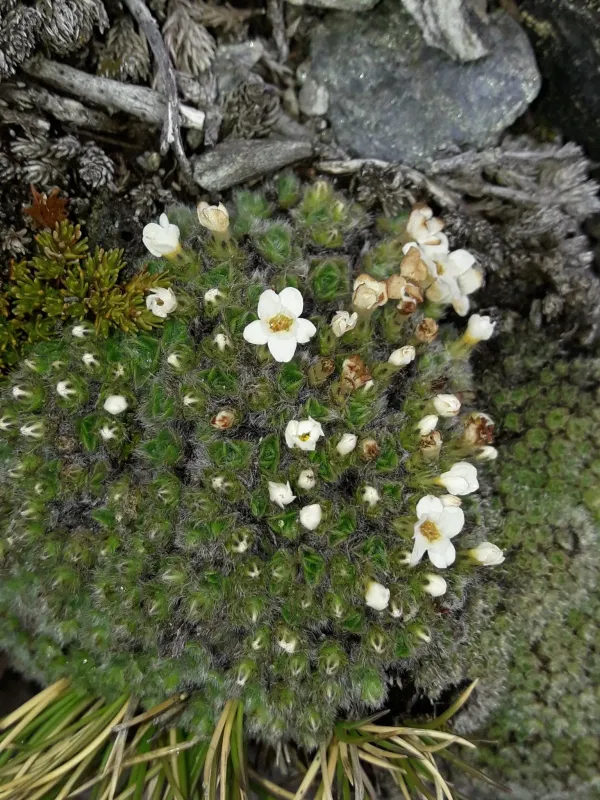
Description
Sowing dates
Sowing Myosotis pulvinaris is best performed in late spring or early autumn when the soil retains moderate moisture. The seeds are extremely small, requiring surface sowing with only a light dusting of sand or fine substrate to ensure sufficient light exposure for germination.
Starting seeds in a controlled greenhouse environment is highly recommended for better germination rates. Maintaining an ambient temperature of 18–20 degrees Celsius is optimal, ensuring the soil remains moist but not saturated to avoid seed decay.
Once seedlings develop their first true leaves, they should be pricked out into individual pots. Handling must be extremely delicate as the root system of this species is highly sensitive to disruption and damage during transplanting processes.
Transplanting into open ground should only occur after the danger of late frosts has passed. Spacing plants 15–20 centimeters apart facilitates the formation of a dense, healthy cushion while maintaining adequate airflow to prevent leaf fungal issues.
Natural reseeding is a common propagation method for this species in rock garden settings. If spreading needs to be limited, it is essential to deadhead the flowering stems immediately after the bloom season concludes.
Growing requirements
Cushion forget-me-not (Myosotis pulvinaris) is a member of the Boraginaceae family. It is a perennial plant native to the alpine regions of New Zealand, specifically adapted to harsh, rocky outcrops and nutrient-poor soils.
The primary soil requirement is excellent drainage. The species thrives in sandy or gritty substrates with neutral to slightly acidic pH levels. Water stagnation is the most common cause of failure, leading to crown rot and rapid decline of the plant.
In terms of climate, the plant prefers cool, well-lit environments. It is not well-suited for hot, humid climates; therefore, providing adequate moisture during dry spells while avoiding overhead irrigation is crucial for success.
Horticulturally, this species is highly valued for its neat, mound-forming habit, making it an excellent choice for rockeries, alpine troughs, and decorative borders. Its structural consistency remains a key aesthetic feature throughout the growing season.
Minimal fertilization is required as excess nitrogen can lead to succulent, weak growth that loses its characteristic tight, cushion-like shape. A light application of a balanced, low-nitrogen fertilizer in early spring is sufficient to support healthy foliage.
Main diseases and pests
Fungal diseases are the primary threats to cushion forget-me-not, particularly powdery mildew, which can develop if the foliage is kept too damp or if the planting site lacks sufficient air circulation.
Root and crown rot occur primarily due to poor drainage and overwatering. Preventative measures include using gravelly, well-draining soil mixes and ensuring that the base of the plant is not buried in mulch or wet soil.
Slugs and snails are the most common pests, as they feed on the soft tissue of the plant during rainy periods. Using physical barriers or bait is often necessary to prevent significant aesthetic damage to the dense cushions.
Aphids may occasionally infest the buds, causing stunted growth and distorted flowers. Regular inspections during the spring months allow for quick intervention using soft soap solutions or targeted insecticidal treatments.
General hygiene in the garden, including the removal of decaying leaves and surrounding debris, is vital for maintaining the health of the planting. Proactive management reduces the likelihood of pest outbreaks and disease development.