
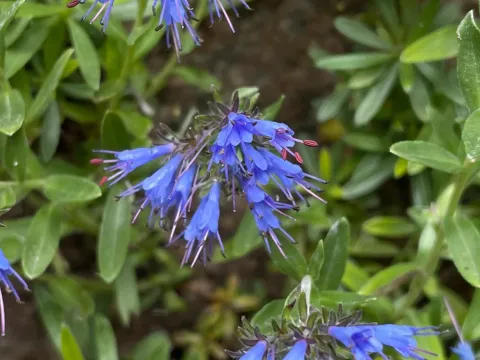
Moltkia
Moltkia
Sowing Moltkia seeds is typically carried out in early spring when the soil temperature reaches approximately 10-12 degrees Celsius. For seedling production, sow in containers during March.
What the section contains
Moltkia
Vegetative propagation via cuttings is the most effective way to preserve specific characteristics. Cuttings are taken in early summer and planted in a well-draining, lightweight substrate.
When sowing in open ground, seeds should be covered with a thin layer of soil, no deeper than 1 centimeter. Gentle watering is essential to ensure seeds remain in place during germination.
Pre-sowing site preparation involves loosening the soil and ensuring it is free from weeds. Adding compost or organic matter can provide the necessary nutrients for initial growth.
Cold stratification is highly recommended to improve seed germination rates. Keeping seeds in a cold environment for several weeks mimics their natural winter cycle and boosts vigor.
Moltkia is a genus of perennial herbs and subshrubs belonging to the Boraginaceae family. These plants are native to the mountainous regions of Europe and Western Asia.
The culture thrives in full sun exposure. Adequate light is necessary for healthy development, leaf color, and the production of vibrant, trumpet-shaped flowers throughout the blooming season.
Soil drainage is the most critical requirement for Moltkia. It prefers rocky, sandy, or well-aerated substrates with a neutral to slightly alkaline pH level to prevent root issues.
The plant is highly drought-tolerant once established. However, during the first growing season, consistent moisture is needed to help the plant develop a robust root system.
Its natural habit makes it a perfect candidate for rock gardens and drystone walls. The botanical structure includes pubescent leaves that help the plant retain moisture efficiently.
Root rot is the primary threat to Moltkia, usually caused by poor drainage or excessive soil moisture. Maintaining a dry neck area is crucial for plant longevity.
Powdery mildew can occur in areas with stagnant air or high humidity. Improving air circulation around the plants is an effective preventive measure against fungal pathogens.
Slugs and snails may damage the foliage during wet spells. Protective barriers or organic bait can be used to mitigate the risk of damage to young leaves.
Aphids can occasionally colonize young stems during periods of rapid growth. Early detection and treatment with mild insecticidal soaps are usually sufficient to manage the population.
Ensuring proper spacing between plants prevents overcrowding, which is a major factor in minimizing the incidence of pests and diseases in the garden.