
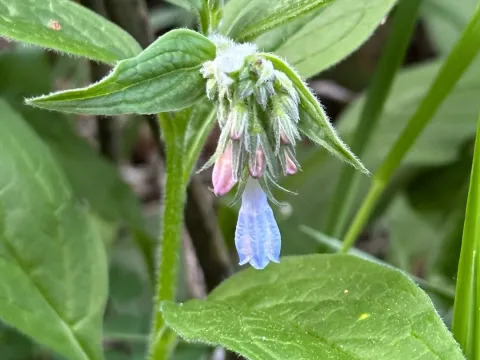
Mertensia paniculata
Mertensia paniculata
Mertensia paniculata, a member of the Boraginaceae family, is a hardy perennial herb. Propagation via seeds is most effective when sown in late autumn, as the seeds require a period of cold stratification to break dormancy and germinate uniformly in the spring.
What the section contains
Mertensia paniculata
The seeds should be sown in a well-drained, moist, and loose substrate. Planting depth should be shallow, approximately 0.5 to 1 centimeter, ensuring adequate contact with the soil for proper moisture uptake and seedling emergence.
Vegetative propagation via root division is also a highly reliable method for this species. By dividing healthy, mature clusters in early spring or autumn, growers can produce uniform plants that establish themselves more quickly than those grown from seeds.
When starting seedlings indoors, it is crucial to maintain cool temperatures, as the plant is naturally adapted to northern climates. Once the seedlings have reached a sufficient size, they should be gradually acclimated to outdoor conditions before final transplanting.
Consistent soil moisture levels must be maintained during the initial stages of growth. Applying a thin layer of organic mulch can help protect the developing root system and ensure that the soil remains cool and moist throughout the germination period.
This species thrives in cool, moist, and shaded environments. It is well-suited for cultivation in temperate and subarctic regions where soil temperatures do not fluctuate drastically during the summer months.
The ideal soil for Mertensia paniculata is fertile, rich in organic matter, and slightly acidic to neutral. High-quality drainage is essential to prevent the accumulation of excess water, which can be detrimental to the plant’s health and root development.
Light levels should be managed carefully; while the plant can tolerate some morning sun, it generally prefers partial shade to prevent leaf scorch. In warmer environments, providing adequate shelter from midday heat is a critical aspect of plant management.
Regular irrigation is necessary to mimic the natural, humid habitats of the species. Drip irrigation systems are preferred over overhead watering to minimize the risk of leaf spot diseases and other moisture-related pathologies.
Maintenance involves seasonal weeding and the application of balanced organic fertilizers at the start of the growth season. Avoid excessive nitrogen inputs, as this can encourage weak, succulent growth that is more susceptible to environmental stress and pests.
The primary threats to this culture are fungal diseases, particularly those promoted by high humidity and poor air circulation. Symptoms often include powdery mildew or leaf spots, which can be controlled through proper spacing and preventive fungicide use.
Mollusks, specifically slugs and snails, represent a significant threat to the tender foliage of the plants. Integrated pest management strategies, including the use of physical barriers and manual removal, are recommended to protect the crop.
Soil-dwelling larvae can damage roots, especially in newly established plantings. Maintaining healthy, well-aerated soil and avoiding monoculture practices can help manage these populations naturally and ensure stronger plant development.
If viral infections are suspected, affected plants should be promptly removed and destroyed to prevent the spread of the pathogen. Hygiene during pruning and division is paramount to keeping the plantation healthy and productive over several years.
Environmental stress, such as extreme heat or prolonged drought, can leave the plant vulnerable to secondary infections. Monitoring the plant's hydration status is key to maintaining its natural resilience against common agricultural pests and diseases.