
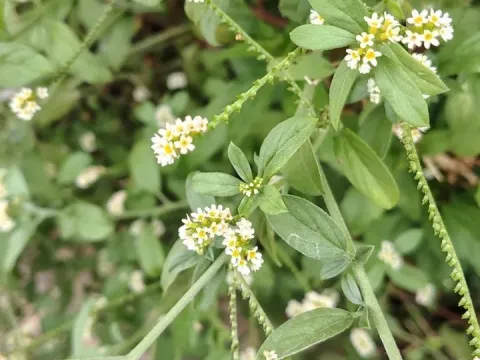
Heliotropium procumbens
Heliotropium procumbens
Sowing of Heliotropium procumbens should be timed for late spring, ensuring that the soil temperature is consistently above 15 degrees Celsius. The seeds are small and require a shallow sowing depth of approximately 0.5 centimeters to ensure adequate light exposure for germination.
What the section contains
Heliotropium procumbens
Before sowing, it is recommended to prepare the seedbed thoroughly by creating a fine-grained structure, which ensures a uniform contact between seeds and the soil. Using a roller after sowing can significantly improve the water uptake for the small seeds.
For regions with shorter growing seasons, starting plants indoors in seed trays is highly recommended. The seedlings should be hardened off for at least a week before transplanting into the field to reduce transplant shock and promote rapid establishment.
The spacing between rows should be kept around 45-50 centimeters, with 25-30 centimeters between individual plants. This spacing allows the procumbent stems to spread naturally without excessive competition for nutrients and sunlight.
Once seedlings have emerged, it is crucial to maintain moisture levels without causing waterlogging. Frequent, light watering during the first three weeks of life is more effective than infrequent heavy irrigations for this specific species.
Heliotropium procumbens thrives in open, sunny locations where it can receive at least 6-8 hours of direct sunlight per day. Shade should be avoided as it dramatically reduces the plant's vigor and its ability to produce secondary metabolites.
The ideal soil for this culture is a well-drained, fertile sandy loam or silty loam with a neutral pH. The plant is sensitive to compacted or heavy clay soils which prevent root development and lead to poor aeration and water drainage.
Water requirements are moderate, but consistent moisture is key during the vegetative stage. The plant has a relatively deep root system once established, allowing it to withstand brief dry spells, although prolonged drought should be mitigated by irrigation.
Nutrient management focuses on phosphorus and potassium to encourage robust stem structure and development. High nitrogen levels during the late vegetative phase should be avoided as they lead to excessive foliage growth at the expense of root and chemical profile quality.
Aeration of the soil through light hoeing is beneficial during the early stages of growth to prevent soil crusting and allow for better water infiltration. This practice also helps in managing weed pressure effectively.
Root rot and crown rot represent the primary threats to the crop, especially in areas with high rainfall or poor drainage. Proper site selection and avoiding water stagnation are the most effective preventative measures against these pathogens.
Aphids and spider mites are the most common insect pests associated with this plant. They tend to cluster on the undersides of leaves and can weaken the plants significantly if left unmonitored during the hot, dry summer months.
Mildew infections may appear during periods of high humidity and poor airflow. Managing the density of the planting is essential to provide adequate circulation and reduce the micro-environment favorable to fungal spores.
Integrated pest management (IPM) practices should be implemented, emphasizing the use of biological control agents where possible. Regular scouting of the fields will allow for early detection of pest populations before they reach economic damage thresholds.
Hygiene in the field is paramount, involving the removal of crop residues at the end of the season to prevent the overwintering of pests and pathogens. Rotating the crop with non-host species is advised to maintain long-term soil health.