
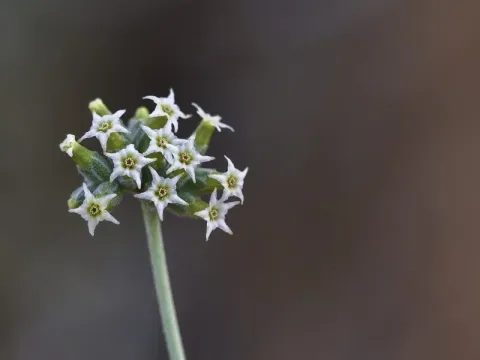
Heliotropium pterocarpum
Heliotropium pterocarpum
Heliotropium pterocarpum is a heat-loving plant that requires stable, warm temperatures for successful germination and early establishment in the field.
What the section contains
Heliotropium pterocarpum
Direct seeding should only occur once the threat of frost has passed and the soil has sufficiently warmed up to promote rapid seedling emergence.
For more controlled results, seedlings are typically started in trays during the late winter months, providing a head start before the growing season begins.
The seeds should be covered lightly with a thin layer of fine substrate to ensure proper contact while allowing sufficient light for the germination process.
Transplanting into the field must be handled with care to avoid root disturbance, as the plant is sensitive to major changes in its immediate growing environment.
Optimal growth is achieved in locations that receive full sunlight for the majority of the day, which helps in maintaining the health and vigor of the plants.
Well-draining soils with a medium fertility level are preferred, as the plant does not tolerate heavy or waterlogged soil conditions that lead to root rot.
Regular monitoring of soil moisture levels is essential; the plant requires consistent moisture during its active growth phase but appreciates a dry-down period.
A balanced supply of macro- and micronutrients should be managed to ensure that the plant develops a robust framework and healthy foliage throughout the season.
The plant performs best in a climate with stable, warm temperatures, avoiding areas prone to extreme cold or persistent high humidity levels.
Spider mites are a common pest that thrives in hot and dry conditions, often attacking the undersides of the leaves and causing stunted plant growth.
Powdery mildew represents a significant fungal threat, characterized by a white, dusty layer on the leaves, usually exacerbated by poor air circulation.
Root rot caused by pathogens like Phytophthora can decimate a crop if soil drainage is inadequate or if irrigation schedules are not strictly controlled.
Aphids may aggregate on young shoots and buds, hindering the development of the plant and sometimes serving as vectors for various plant viral diseases.
Implementing a rigorous monitoring program and using appropriate biological control measures is recommended to maintain a healthy and productive stand of crops.