
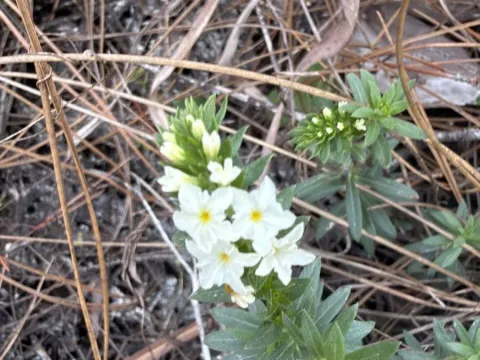
Heliotropium polyphyllum
Heliotropium polyphyllum
The cultivation of Heliotropium polyphyllum usually begins with sowing seeds in controlled environments. Starting the process in late winter ensures that seedlings are robust enough for transplantation by the time frost risks have passed.
What the section contains
Heliotropium polyphyllum
Seeds should be sown in a sterile, well-draining potting medium. Covering the seeds lightly with soil or vermiculite helps maintain the necessary moisture levels while still allowing sufficient light penetration, which is vital for germination.
Maintaining a consistent temperature between 20°C and 22°C is essential for successful germination. Using a heat mat can help stabilize the environment, ensuring uniform emergence of the sprouts across the seed tray.
Once the seedlings develop their first true leaves, they should be carefully pricked out into individual containers. This step is crucial for establishing a healthy, non-crowded root system and preventing the development of damping-off diseases.
Gradual acclimatization, or hardening off, is necessary before moving the plants to their permanent outdoor location. This process reduces transplant shock and helps the plants adjust to external wind, sun, and temperature variations.
Heliotropium polyphyllum belongs to the Boraginaceae family and requires significant sunlight to thrive. Providing at least six to eight hours of direct sun daily is fundamental for achieving compact growth and vibrant, sustained flowering.
The soil should be rich in organic matter and possess excellent drainage capabilities. While the plant can tolerate various soil textures, avoiding waterlogged sites is non-negotiable for long-term health and vigor.
Watering must be balanced; the soil should remain consistently moist but never waterlogged. During peak summer heat, more frequent watering may be required to prevent leaf scorch and dehydration stress.
Applying a liquid fertilizer during the active growing season promotes continuous blooming. A balanced formulation, often supplemented with higher levels of phosphorus, supports the development of healthy buds and bright floral display.
Regular maintenance, including the removal of spent flower heads, encourages the plant to direct resources toward new growth. Pruning also helps manage the shape of the plant, keeping it bushy rather than spindly over time.
Root rot is the most common physiological threat, often caused by excessive irrigation or poor drainage. This condition quickly affects the overall health of the plant, leading to sudden wilting and discoloration of the foliage.
Spider mites are prevalent pests, particularly in dry and hot conditions. These pests reside on the underside of leaves, and their feeding activity results in fine stippling, which can eventually cause significant leaf drop.
Aphids tend to colonize the tender tips and developing buds of the plant. If left untreated, they can stunt growth and transmit viral diseases, requiring prompt intervention with soaps or systemic insecticides.
Whiteflies are another potential concern, especially if the plants are situated near other susceptible garden crops. Monitoring and the use of yellow sticky traps can help detect their presence before a large-scale infestation occurs.
Preventative cultural practices, such as maintaining proper plant spacing, are essential to minimize humidity buildup. By ensuring adequate airflow, gardeners can significantly lower the risk of fungal outbreaks that thrive in damp, stagnant environments.